














Swimmer Diana Nyad Wasn't at Big Risk of Shark Bite

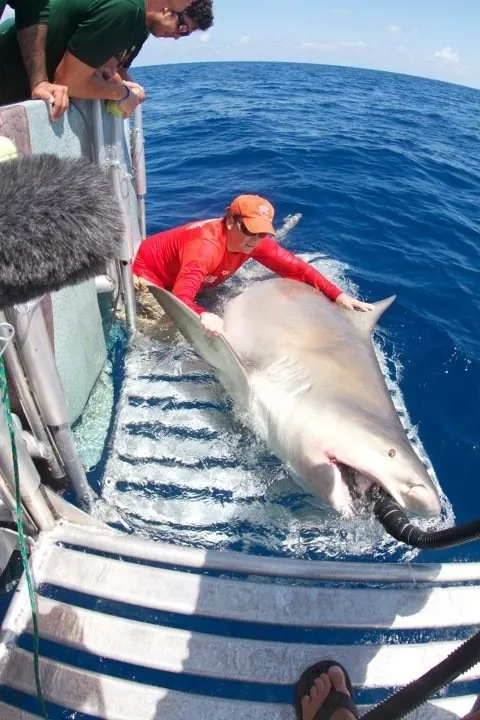
The 64-year-old long-distance swimmer Diana Nyad made headlines for being the first woman to swim from Cuba to the Florida Keys without the aid of a shark cage. But that caveat — sans cage — implies she was at a significant risk of being bitten, and some media outlets wrote that she swam through "shark-infested waters."
Although there were sharks near her path, she wasn't at a high risk of being bitten, writes David Shiffman, a shark researcher and doctoral student at the University of Miami, in a piece at Slate. For one thing, sharks only bite 70 to 100 people yearly, and only 15 bites are fatal. Cows and toasters kill more people, Shiffman said. And there's only been one shark bite in the Florida Keys since the 1880s.
That said, typical advice to reduce one's risk includes "staying close to shore, staying in a big group of people, and swimming in daylight hours," all of which Nyad's swim violated, Shiffman said. Also, along the way, she was "followed by three oceanic whitetips, two very large hammerheads, and what I suspect to be a large bull shark," said Luke Tipple, a Nyad advisor, according to Slate.
Email Douglas Main or follow him @Douglas_Main. Follow us @livescience, Facebook or Google+.
Get the world’s most fascinating discoveries delivered straight to your inbox.
