













What Is Blue Noise?

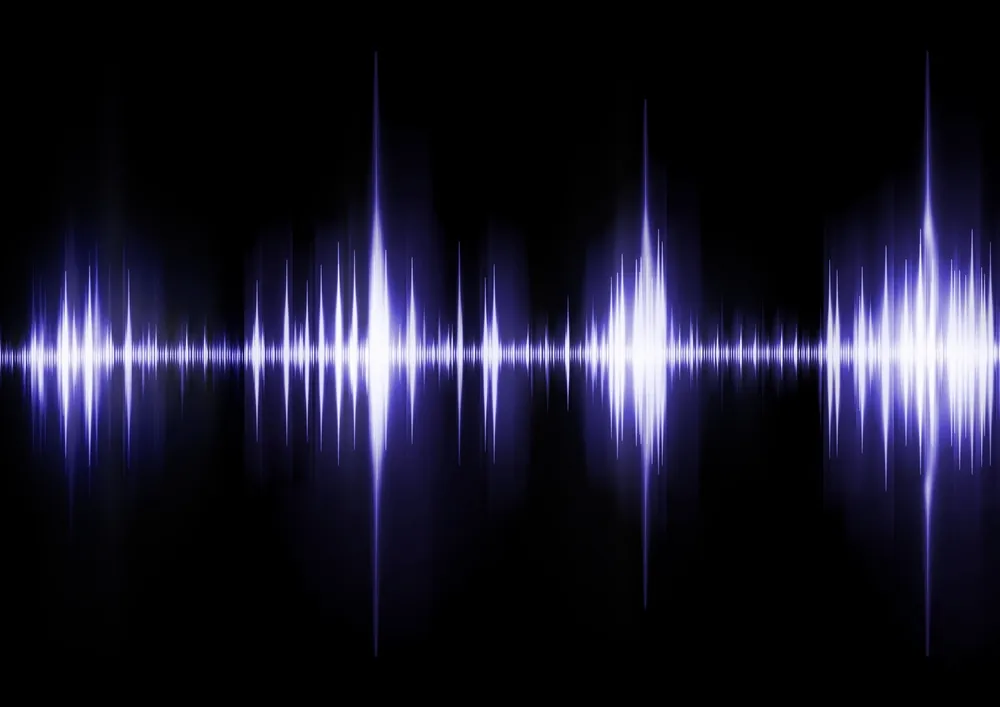
White noise is familiar to most people, but it's not the only color of noise that exists.
Blue noise, which is sometimes considered high-frequency white noise, is a noise color with a spectral density (power per hertz) that is proportional to its frequency. This means that the power and energy of the signal increases as frequency increases.
Another distinguishing characteristic of blue noise is that each successive octave increases by three decibels — this results in each octave packing as much energy as the two octaves below it combined.
(In acoustics, an octave is a frequency band whose highest frequency is twice its lowest frequency. For example, the band from 20 hertz to 40 hertz is an octave, as is the band from 40 to 80 hertz.)
Because blue noise is biased toward higher frequencies, it sounds like a high-pitched hiss completely lacking any bass. Also known as azure noise, blue noise gets its name from optics, as the color blue is on the higher end of the frequency spectrum for visible light.
In audio applications, blue noise is used for dithering, a process where noise is added to a track to smooth out the sound and lessen the audibility of distortions.
In addition to white noise and blue noise, there's also pink noise, brown noise and more.
Get the world’s most fascinating discoveries delivered straight to your inbox.
Follow Joseph Castro on Twitter. Follow us @livescience, Facebook & Google+.
