













Uranium Supply Decline Clouds Nuclear Power's Future

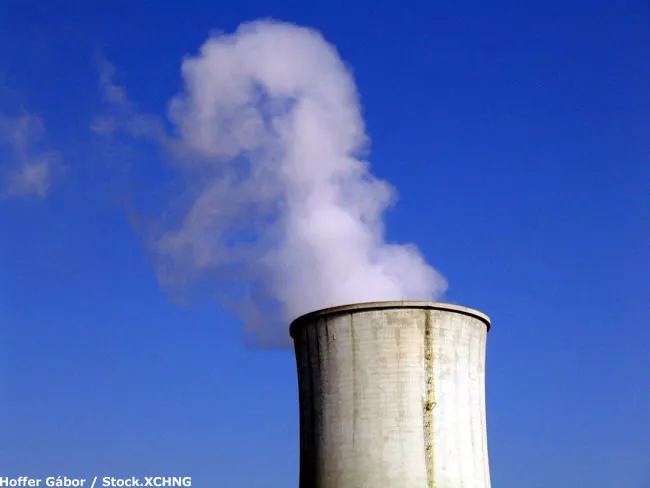
Declining uranium supplies suggest nuclear power is not the magic bullet some might have hoped for to replace fossil fuels.
By burning fossil fuels, conventional power plants and vehicles factor in to global warming by emitting carbon dioxide, a greenhouse gas that traps heat from the sun.
Advocates of nuclear power suggest it could help prevent global warming, since nuclear plants generate electricity without releasing carbon dioxide.
But critics of nuclear power have for decades linked it with dangers such as radioactive waste and nuclear weapons. There also remain fears that nuclear plants could undergo catastrophes such as a meltdown, as seen with Chernobyl, or a terrorist attack.
Now it seems that mining uranium, which nuclear power depends on, could be even less environmentally friendly and more costly than critics say, according to a new analysis led by Gavin Mudd, an environmental engineer at Monash University in Australia.
On average, supplies of high-quality uranium ore have been steadily declining worldwide for the past 50 years, and will likely to continue to wane in the mid- to long-term, Mudd said. Any new uranium deposit is likely to be deeper and harder to extract, and getting uranium from lower-quality deposits involves digging up and refining more ore, according to their analysis of government and industry reports.
This suggests that in the future, uranium mining could require more energy, water and industrial chemicals such as corrosives, and release more greenhouse gases.
Get the world’s most fascinating discoveries delivered straight to your inbox.
"Over time, as ore grades decline and more energy is required for uranium production, this will lead to a higher carbon intensity for nuclear power, eventually becoming similar to gas-fired electricity, though this may be a few decades away and difficult to quantify precisely," Mudd said.
In addition, less than half of all greenhouse emissions are linked with fossil-fuel-based power plants, "so even if all coal-fired electricity was switched to nuclear magically," Mudd said, vehicles and other sources "would continue to contribute to climate change."
Future research on the costs of uranium mining will depend on obtaining more comprehensive data from mining companies.
"I have often found that the numbers used by many in industry, government or green groups are guesses rather than extensive, measured data sets," Mudd said. "The main thing is to understand the environmental costs of mineral production in terms of land disturbance, energy and water inputs, greenhouse outputs and that this will gradually climb up over time."
When it comes to whether uranium ore grades are declining over time, this new research "is as good or better than anyone else's," said Yale University industrial ecologist Thomas Graedel, who did not participate in this study.
These findings "have implications for energy and water and carbon and all the other things tangled up with climate change," Graedel told LiveScience. "We likely should not count on nuclear power to solve our climate change problem, but it could be a component in a family of solutions we might decide to employ."
Mudd and his colleague Mark Diesendorf detailed their findings in the April 1 issue of the journal Environmental Science & Technology.
Mudd said there was no outside funding of his work. "I have had personal affiliations with many green groups for 15 years, but I also have affiliations with scientific societies and consult with the mining companies also," Mudd said.
- Whatever Happened to Nuclear Power?
- Top 10 Surprising Results of Global Warming
- Top 10 Craziest Environmental Ideas
