













Not-So-Sweet Treat: Candy in Checkout Aisle Raises Obesity Risk

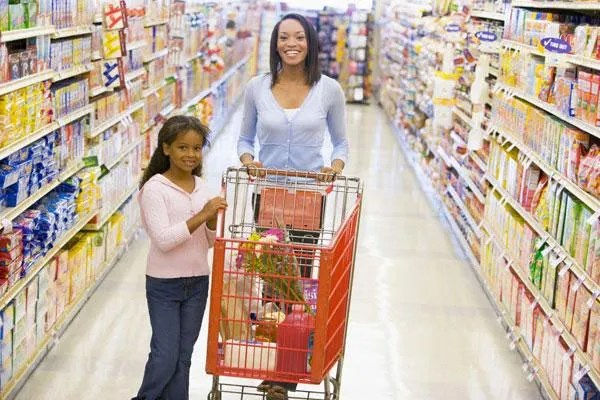
The common practice of placing junk food along checkout aisles increases the risk of obesity, researchers argue.
Checkout aisles are prime stops for impulse purchases. When we arrive there, we may be distracted, stressed, tired or drained of our ability to make conscious and deliberate decisions, Dr. Deborah Cohen, of RAND Health in Santa Monica, Calif., and Susan Babey, of UCLA Center for Health Policy Research, write in tomorrow's (Oct. 11) issue of the New England Journal of Medicine.
As a result, we are likely to make unconscious decisions that do not reflect our true desire, like the last-minute purchase of a candy bar, Cohen and Babey said.
Marketers know this, and will pay more to have their products placed in prominent locations. Such placement can increase a product's sales by a factor of five, Cohen and Babey said.
Thus, junk food in prominent locations is more likely to be purchased and consumed, which in turn increases the risk of chronic disease, the pair said.
"In light of the public health implications, steps should be taken to mitigate that risk," Cohen and Babey said.
Researchers should test new strategies to reduce obesity risk, such as limiting the types of foods that can be displayed in a checkout aisle, and restricting junk foods to more obscure locations within the store.
Get the world’s most fascinating discoveries delivered straight to your inbox.
"Harnessing marketing research to control obesity could help millions of people who desperately want to reduce their risks of chronic diseases," Cohen and Babey said.
Pass it on: Candy at the checkout is a risk factor for obesity, researchers say.
This story was provided by MyHealthNewsDaily, a sister site to LiveScience. Follow MyHealthNewsDaily on Twitter @MyHealth_MHND. We're also on Facebook & Google+.
