













Bug Sunbathes to Keep Germs Away

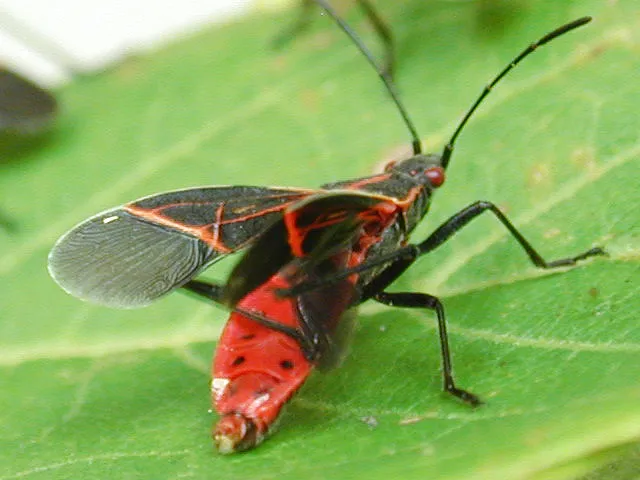
Western boxelder bugs frequently stretch out in the sun, though not to get a tan. Canadian researchers found that these insects use sunbathing to keep germs at bay.
The winged bugs are often found grouped together in sunny patches in the interior of British Columbia. The researchers said sunlight seems to trigger the biosynthesis of monoterpenes, a strong-smelling chemical compound that encases fungal spores on the insect's body and protects from germ penetration.
"Prophylactic sunbathing defends these bugs against pathogens that they encounter in their shelters," researcher Gerhard Gries, a biology professor at Simon Fraser University, said in a statement. The pheonomen has yet to be observed or reported in other insects, Gries added.
"If they are converting the sun's solar energy to fuel chemical work, without the aid of microbial symbionts — organisms that live together with a host, often to their mutual benefit — we would consider this a highly remarkable feat in the animal world."
The findings were reported this month in the journal Entomologia Experimentalis et Applicata.
Follow LiveScience on Twitter @livescience. We're also on Facebook & Google+.
Get the world’s most fascinating discoveries delivered straight to your inbox.
