













Study Documents the Power of Indoor Plants
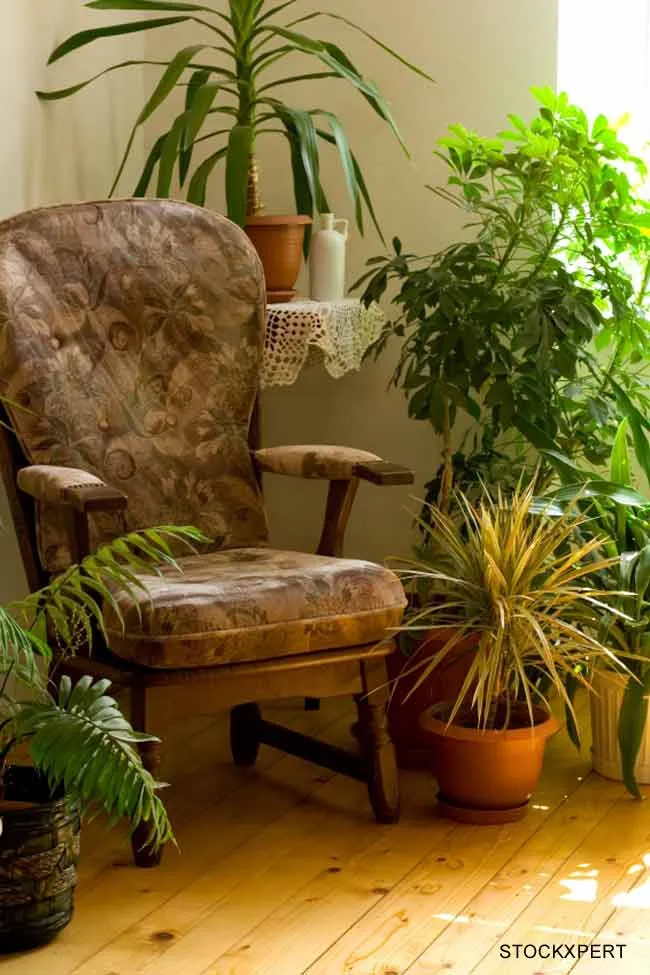
Green thumb or not, most of us have at least one houseplant because even the most pathetic mini-shrub offers our citified selves a slender link back to nature, according to new research.
Previous studies have suggested that plants lower the levels of indoor contaminants and keep people feeling healthier. After noticing how much joy his wife got from plants, Clas Bergvall, an ethnologist at Umeå University in Sweden, wanted to know what they did for people emotionally—so he dedicated his doctoral dissertation to the subject.
In the eight years since he began his research, Bergvall has found that people across centuries share an almost metaphysical connection to plants, and that when brought into the home, plants have an enormous positive impact on well-being.
For one thing, plants seem to make people more contemplative and self-reflective, Bergvall told LiveScience. Plants are often linked to people, places and memories—they are often given as gifts from close friends, for example—so having them around helps people snap out of their busy lives and think about things that are important to them, he said.
Plants also remind people of the passing of time. They often look different in the morning than they do in the evening, said Bergvall, and this can keep people in tune with changes in their surroundings.
And perhaps most importantly, plants bring people closer to nature, said Donna Lynn Sidhu, a plant enthusiast and landscape designer in Santa Barbara, California. “Plants are an expression of nature’s beauty,” she said. They help people incorporate the natural environment into their chaotic lives, and their influence can go as far as to be spiritual, she said.
Related plant facts:
Get the world’s most fascinating discoveries delivered straight to your inbox.
- Americans spent an average of $147 on domestic plants for their homes last year.
- Research suggests that indoor plants reduce symptoms of fatigue, headache, cough and dry skin.
- Plant-filled rooms contain up to 60 percent fewer airborne molds and bacteria than rooms without plants, studies show.
- America’s favorite potted flowering plant is the poinsettia.
- There are more than 65,000 greenhouses in the U.S.
- Most American Christmas trees are grown in Oregon and North Carolina.
- The following plants are best at decontaminating air and balancing humidity: Areca, Reed and Dwarf date palms; Boston ferns, English ivy and Peace Lilies.
Plants remind us of “life, ecology, beauty, relationships to other people, [and] the passing of time,” Bergvall said. “These are important dimensions of life.”
- All About Nature
- Mystery Solved: How Plants Know When to Flower
- World's Largest Flower Skips Sex