'Longest animal ever' discovered in deep-sea canyon off Australian coast
Does it really count as one animal though?
Get the world’s most fascinating discoveries delivered straight to your inbox.
You are now subscribed
Your newsletter sign-up was successful
Want to add more newsletters?
Delivered Daily
Daily Newsletter
Sign up for the latest discoveries, groundbreaking research and fascinating breakthroughs that impact you and the wider world direct to your inbox.
Once a week
Life's Little Mysteries
Feed your curiosity with an exclusive mystery every week, solved with science and delivered direct to your inbox before it's seen anywhere else.
Once a week
How It Works
Sign up to our free science & technology newsletter for your weekly fix of fascinating articles, quick quizzes, amazing images, and more
Delivered daily
Space.com Newsletter
Breaking space news, the latest updates on rocket launches, skywatching events and more!
Once a month
Watch This Space
Sign up to our monthly entertainment newsletter to keep up with all our coverage of the latest sci-fi and space movies, tv shows, games and books.
Once a week
Night Sky This Week
Discover this week's must-see night sky events, moon phases, and stunning astrophotos. Sign up for our skywatching newsletter and explore the universe with us!
Join the club
Get full access to premium articles, exclusive features and a growing list of member rewards.
Underwater explorers found a 150-foot-long (45 meters) siphonophore — a translucent, stringy creature that, like coral, is made up of smaller critters — living in a submarine canyon off the coast of Australia. It's "seemingly the largest animal ever discovered," they said.
Every individual siphonophore is made up of many little "zooids," which each live lives that are more similar to animals we're used to talking about, albeit always connected to the larger colony. Zooids are born axsexually, and each one performs a function for the siphonophore's larger body, according to a research article published in the journal Developmental Dynamics in 2005. Linked together in long chains, the colonies were already known to reach lengths of up to 130 feet (40 m) according to the Monterey Bay Aquarium — though each siphonophore is only about as thick as a broomstick.
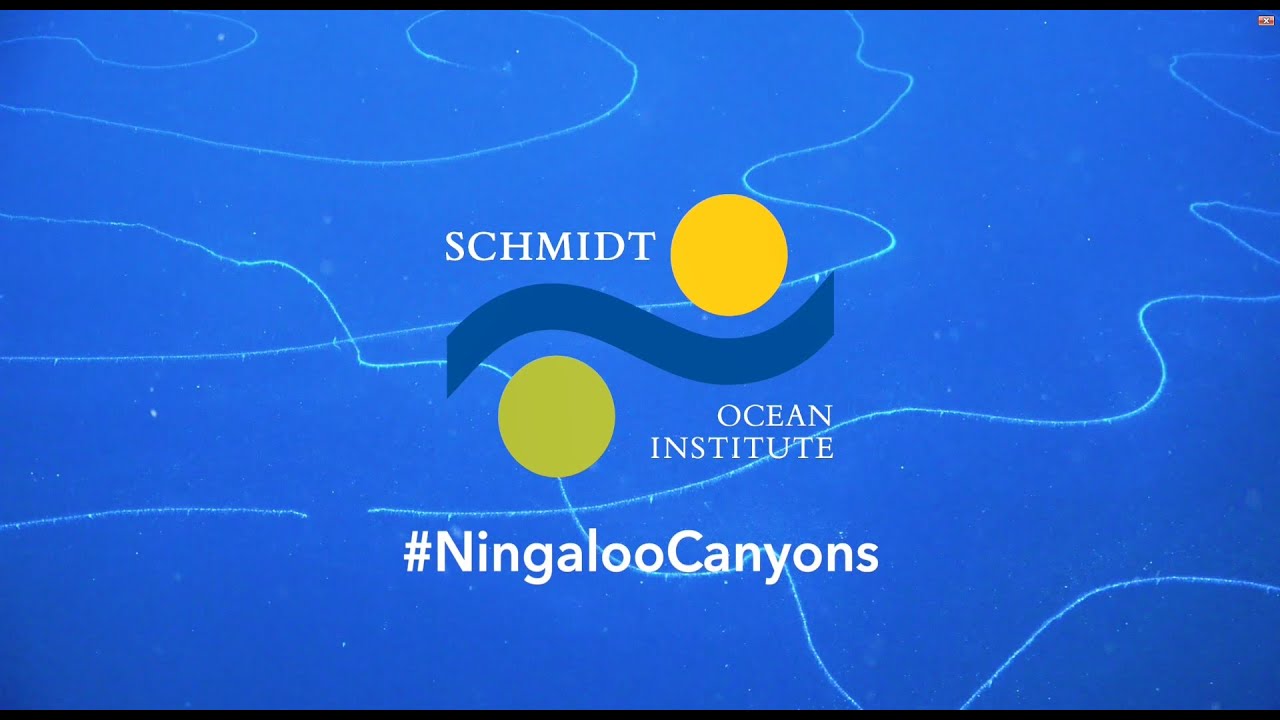
The new, record-setting siphonophore was one of several discoveries made by a team aboard the research vessel
Falkor while exploring deep-sea canyons near Australia's Ningaloo Coast.
Related: In Photos: Spooky Deep-Sea Creatures
The researchers used a remotely operated vehicle (ROV) called ROV SuBastian to explore and collect samples from deep ocean areas that hadn’t been investigated before, the team said in an emailed statement. In March, researchers using the same ROV discovered gardens and graveyards of coral in three submarine canyons off South Australia, Live Science reported at the time.
During this latest voyage through waters off western Australia, the researchers also discovered large colonies of glass sponges and other species. They also found the largest-ever example of the giant siphonophore genus Apolemia.
Check out this beautiful *giant* siphonophore Apolemia recorded on #NingalooCanyons expedition. It seems likely that this specimen is the largest ever recorded, and in strange UFO-like feeding posture. Thanks @Caseywdunn for info @wamuseum @GeoscienceAus @CurtinUni @Scripps_Ocean pic.twitter.com/QirkIWDu6SApril 6, 2020
The research was funded by the Schmidt Ocean Institute.
Get the world’s most fascinating discoveries delivered straight to your inbox.
- Images of melt: Earth's vanishing ice
- The reality of climate change: 10 myths busted
- Top 10 ways to destroy Earth
Originally published on Live Science.
OFFER: Save 45% on 'How It Works' 'All About Space' and 'All About History'!
For a limited time, you can take out a digital subscription to any of our best-selling science magazines for just $2.38 per month, or 45% off the standard price for the first three months.