
-
 'What is normal today may not be normal in a year's time': Dr. Dinesh Bhugra on the idea of 'normal' in psychiatry
Live Science spoke with leading psychiatrist Dr. Dinesh Bhugra ahead of his appearance at the HowTheLightGetsIn festival in London.
psychology -
 The unsung 'cognitive expertise' needed to excel in elite sports
In sports, physical training is often emphasized over cognitive, but both are required to excel, experts say.
psychology -
 People are falling in love with AI. Should we worry?
AI romantic companions can save some people from loneliness, but they also have a dark side.
psychology -
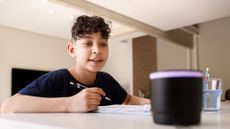 Many kids are unsure if Alexa and Siri have feelings or think like people, study finds
A small study in Scotland suggests many kids overestimate the agency and intellect of AI assistants like Alexa, Siri and Google Assistant.
psychology -
 Tinder, Hinge lawsuit raises question: Can dating apps be considered addictive?
Researchers say that regardless of whether they qualify as "addictive," dating apps are designed to keep you swiping.
psychology -
 'Scent therapy' helps unlock memories in people with depression, trial finds
Scent therapy could be a useful tool for helping people with depression tap into their autobiographical memories, a small trial hints.
psychology -
 'You cannot put people into arbitrary boxes': Psychologists critique the '5 love languages'
Experts question the love language theory's effectiveness, citing a lack of scientific evidence.
psychology -
 Resilience is a skill that can be cultivated, a psychologist explains
Resilience is not a static quality but rather a set of skills that can be developed over time.
psychology -
 Tinnitus often causes distress. A new app could help.
A new app could help make behavioral therapies aimed at easing distress from tinnitus more accessible, a small study suggests.
psychology


