













Youth Gives Out Online Passwords More Freely

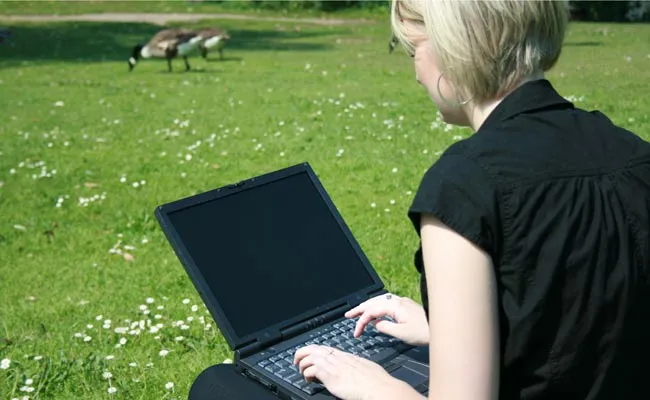
Younger Internet users between the ages of 18 and 29 are more reckless with giving out their online passwords compared to older Web surfers, a new study suggests.
In fact, 54 percent of this demographic has shared passwords with at least one person in the past year, according to research about Web users in the United States, United Kingdom and Australia, conducted by Internet security service company Webroot.
Since many people use the same password to log into multiple sites (41 percent), this makes the chances of being hacked on other password-protected pages even greater.
"We weren't surprised about the results because this younger demographic tends to be more naive when it comes to Web security, which leads to careless habits that put their identities at risk," said Jeff Horne, Director of Threat Research at Webroot.
However, today's youth isn't the only group making critical mistakes that put their identities at risk. About 41 percent of all age groups also said they have shared passwords with at least one person in the past year.
Meanwhile, both demographics are guilty of not getting creative enough with passwords. Almost half of all users never use special characters – such as exclamation points, question marks and number sites -- a technique that makes it more difficult for criminals to guess.
In addition, about 2 in 10 have used a significant date, such as a birth date or a pet’s name as a password, which is information often publicly visible on social networks. And only 16 percent create passwords with more than 10 characters in length.
Get the world’s most fascinating discoveries delivered straight to your inbox.
Although 50 percent of people feel their passwords are very or extremely secure, a whopping 86 percent do not check for a secure connection when accessing sensitive information when using unfamiliar computers.
"We're seeing between 40,000 to 100,000 new samples of malware emerge daily, and in most of those cases the motivation behind the malware is financial," Horne said.
"Using good password and security practices will help thwart similar attacks. It's critical to make sure you never store your password in a browser or FTP site, and have a reputable, up-to-date antimalware protection in place."
