New Again: The Face Cream of Ancient Roman Women
Get the world’s most fascinating discoveries delivered straight to your inbox.
You are now subscribed
Your newsletter sign-up was successful
Want to add more newsletters?
Delivered Daily
Daily Newsletter
Sign up for the latest discoveries, groundbreaking research and fascinating breakthroughs that impact you and the wider world direct to your inbox.
Once a week
Life's Little Mysteries
Feed your curiosity with an exclusive mystery every week, solved with science and delivered direct to your inbox before it's seen anywhere else.
Once a week
How It Works
Sign up to our free science & technology newsletter for your weekly fix of fascinating articles, quick quizzes, amazing images, and more
Delivered daily
Space.com Newsletter
Breaking space news, the latest updates on rocket launches, skywatching events and more!
Once a month
Watch This Space
Sign up to our monthly entertainment newsletter to keep up with all our coverage of the latest sci-fi and space movies, tv shows, games and books.
Once a week
Night Sky This Week
Discover this week's must-see night sky events, moon phases, and stunning astrophotos. Sign up for our skywatching newsletter and explore the universe with us!
Join the club
Get full access to premium articles, exclusive features and a growing list of member rewards.
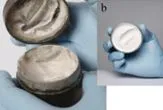
Face cream used by Roman women has found been and reproduced. It's not likely the research will trigger any new retro trend, however.
In a not-so-fashionable London dig, archeologists unearthed a metal container of cream with the lid still on. The whitish cosmetic cream of ancient times was found to be composed of refined animal fat, starch and tin, scientists in the UK report in the Nov. 4 issue of the journal Nature.
Learning the recipe, the researchers made some more in their lab and rubbed it on. It produced a white layer with a smooth, powdery texture -- thanks to the starch, which is still used modern cosmetics.
"White face paint was fashionable in Roman times and normally derived its color from a lead compound," said Richard Evershed from Bristol University. "A tin compound would have been an acceptable substitute and in good supply from Cornwall."
The tin's function must have been as a pigment, the scientists conclude. The non-toxic properties of tin would have been a plus, because the health risks of lead were becoming recognized by the second century AD.
Get the world’s most fascinating discoveries delivered straight to your inbox.