














People Need to Stop Taking Wild Raccoons into Their Homes

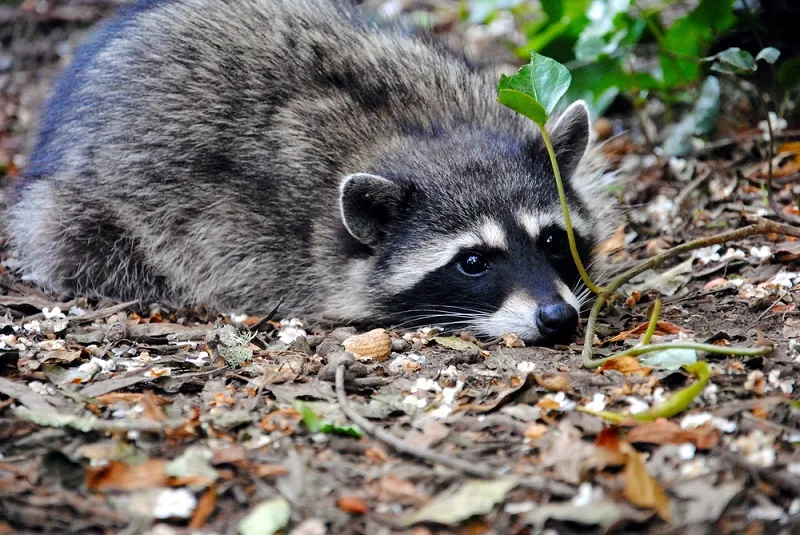
Seeing an injured wild animal is distressing, but as much as you might want to help the little critter, you probably shouldn't try to take care of it yourself.
A man in Maine learned this the hard way when he took in an injured wild raccoon that turned out to have rabies.
The man, who lives in Kennebunkport, Maine, was bitten several times after he took in the raccoon, according to a Facebook post from the Kennebunkport Police Department. When a game warden went to the house to remove the animal, the warden was also bitten. Now, both the Maine resident and the warden need rabies treatment.
"As a smart reminder, NEVER take a wild animal into your home!" the Facebook post said. "Wild animals are meant to [be] left alone and remain outdoors."
If you see an injured wild animal that needs help, you should contact a wildlife rehabilitator for assistance, according to The Humane Society of the United States, which also provides information on how to find a wildlife rehabilitator in your area. If you have trouble contacting a wildlife rehabilitator, you can try reaching out to an animal shelter, humane society, animal control agency, nature center, state wildlife agency or veterinarian, the Humane Society says.
In July, a woman in Colorado needed rabies treatment after she took in an orphaned baby raccoon that had rabies. Twenty of her friends who visited the baby raccoon also needed treatment.
Rabies is a viral disease that affects the central nervous system. It's usually spread through the bite of an infected animal. The disease causes swelling of the brain and spinal cord, and is fatal without treatment.
Get the world’s most fascinating discoveries delivered straight to your inbox.
But the disease can be treated with "post-exposure prophylaxis," which involves giving people the rabies vaccine shortly after they are exposed.
Originally published on Live Science.

Rachael is a Live Science contributor, and was a former channel editor and senior writer for Live Science between 2010 and 2022. She has a master's degree in journalism from New York University's Science, Health and Environmental Reporting Program. She also holds a B.S. in molecular biology and an M.S. in biology from the University of California, San Diego. Her work has appeared in Scienceline, The Washington Post and Scientific American.