

















Missouri Woman Dies from Tick Bite: What Is Bourbon Virus?

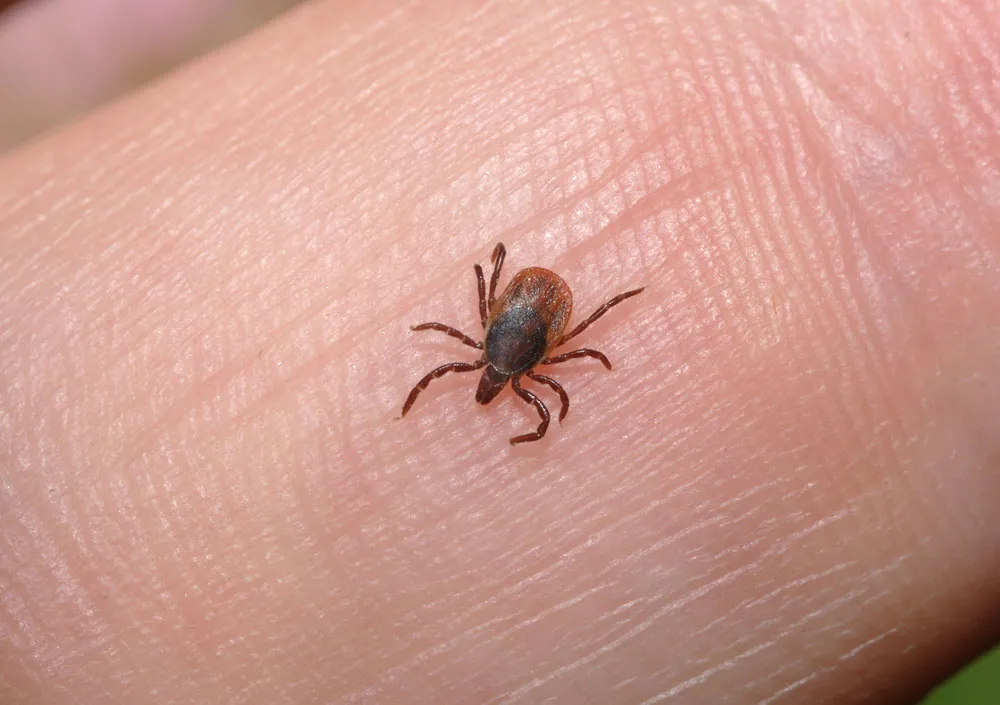
A woman in Missouri recently died from a rare tick-borne illness called Bourbon virus disease, which was first identified only a few years ago.
The woman, 58-year-old Tamela Wilson, began feeling unwell in late May, shortly after she'd spotted and removed two ticks from her body, CBS News reported. Soon, her health deteriorated further — she had severe headaches, pain and a light-red rash, and tests showed that she had a low white blood cell count. After she was admitted to the hospital, doctors tested her for several tick-borne diseases, but the tests came back negative, CBS reported.
The cause of her illness remained a mystery until doctors at the Centers for Disease Control and Prevention (CDC) tested her blood and found that she was infected with Bourbon virus. [10 Important Ways to Avoid Summer Tick Bites]
This virus was discovered in 2014. The first known human case occurred in a man living in Bourbon County, Kansas, who had been bitten by ticks and fell ill with fever and fatigue. When doctors tested his blood, they found the completely new virus, which they dubbed Bourbon virus, after the county where the patient lived. Since then, only a handful of people have contracted this virus — Wilson is just the fifth person confirmed to have had Bourbon virus disease, according to CBS.
Because the virus is so new, researchers are still working to understand it. But it is believed to be spread by ticks, because most patients infected with the virus have reported that they were exposed to ticks before they became ill, according to the CDC. The virus may also be spread through other insect bites, CDC officials said.
Doctors are still learning about the possible symptoms of Bourbon virus disease, but so far, patients have felt tired and had fever, rash, headache, other body aches, nausea, vomiting and a low white blood cell count, according to the CDC.
Right now, there are no drugs to treat the disease, and no vaccines to prevent it. The best way to prevent getting infected with the Bourbon virus is to prevent tick bites and other insect bites, CDC officials said. To prevent tick bites, the CDC recommends using insect repellents, wearing long sleeves and pants, avoiding bushy and wooded areas, and performing tick checks after spending time outdoors.
Get the world’s most fascinating discoveries delivered straight to your inbox.
Wilson died on June 23, after spending three weeks in the hospital, according to CBS. The CDC has collected ticks at the Missouri state park where Wilson worked so that the agency can run tests on them, CBS reported.
Original article on Live Science.

Rachael is a Live Science contributor, and was a former channel editor and senior writer for Live Science between 2010 and 2022. She has a master's degree in journalism from New York University's Science, Health and Environmental Reporting Program. She also holds a B.S. in molecular biology and an M.S. in biology from the University of California, San Diego. Her work has appeared in Scienceline, The Washington Post and Scientific American.