













Does Aging Cause Loss of Taste?
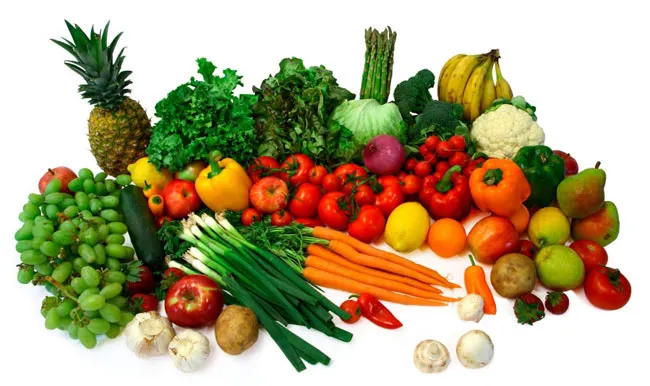
This Week's Question: When I was younger, I couldn't get enough Chinese food. Now it just doesn't have that zing anymore. I'm guessing it's me, not the food, right?
As we age, our sense of taste may change, but this loss of zing in Chinese food might be caused by medicines you're taking. Drugs can change your sense of taste, and some can also make you feel less hungry. So, the aging process and the medicines we're taking can affect our enjoyment of food and, therefore, our nutrition, because we may not eat all we need.
Eating habits in seniors are affected by other problems, too. Some complain about their dentures. Others don't have easy access to transportation to go food shopping. Those who cooked for a family find it unrewarding to cook for one. Depression can affect your appetite, too.
So, what should you eat? According to the U.S. Department of Agriculture, you should try to eat the following daily:
- 6 to 11 servings of bread, cereal, rice, or pasta. One serving equals one slice of bread, 1 ounce of ready-to-eat cereal, or 1/2 cup cooked cereal, rice, or pasta.
- 3 to 5 servings of vegetables. One serving equals 1 cup of raw, leafy vegetables or 1/2 cup of chopped vegetables, cooked or raw.
- 2 to 4 servings of fruit. One serving equals one medium piece of fruit like an apple, banana, or orange; 1/2 cup of chopped fresh, cooked, or canned fruit; 1/4 cup of dried fruit; or 3/4 cup of 100 percent fruit juice.
- 3 servings of milk, yogurt, or cheese. One serving equals 1 cup of milk or yogurt, 1 1/2 ounces of natural cheese like cheddar or mozzarella, or 2 ounces of processed cheese like American.
- 2 to 3 servings of meat, poultry, fish, dry beans, eggs, or nuts. One serving of cooked meat, poultry, or fish is 2 to 3 ounces; you should eat no more than 5 to 7 ounces a day. One cup of beans, 2 eggs, 4 tablespoons of peanut butter, or 2/3 cup of nuts also equal one serving.
To maintain a plan for healthy eating, follow these tips from the National Institutes of Health:
- Eat breakfast every day.
- Select high-fiber foods like whole grain breads and cereals, beans, vegetables, and fruits. They can help keep you regular and lower your risk for chronic diseases like heart disease and type 2 diabetes.
- Choose lean beef, turkey breast, fish, or chicken with the skin removed to lower the amount of fat and calories in your meals.
Also, have three servings of low-fat milk, yogurt, or cheese a day. Dairy products are high in calcium and vitamin D and help keep your bones strong as you age. If you have trouble digesting or do not like dairy products, try reduced-lactose milk products, or calcium-fortified orange juice, soy-based beverages, or tofu. You can also talk to your health care provider about taking a calcium and vitamin D supplement.
Keep nutrient-rich snacks like dried apricots, whole wheat crackers and peanut butter on hand. Limit snacks like cake, candy, chips, and soda. Finally, drink plenty of water.
Get the world’s most fascinating discoveries delivered straight to your inbox.
- Good Food Gone Bad
- 7 Perfect Survival Foods
- Diet News & Information
The Healthy Geezer column publishes each Wednesday on LiveScience. If you would like to ask a question, please write [email protected]. © 2009 by Fred Cicetti.