













Super Microbes Create Better Ethanol

Ethanol is often touted as a promising alternative fuel, but this "biofuel" packs less energy than gasoline.
Now scientists are genetically engineering microbes that can crank out higher-energy biofuels.
Ethanol, more commonly known as drinking or grain alcohol, is increasingly finding its way into gas tanks. Unlike fossil fuels, which are limited resources, biofuels such as ethanol can get renewably brewed from biological material such as sugar.
However, ethanol's energy content is just two-thirds that of gasoline by volume. In addition, ethanol can corrode metal and plastic, damaging car parts and gas pumps.
Scientists are trying to develop new ways to synthesize better alcohols. These "higher alcohols" also are not corrosive like ethanol is, explained UCLA biotechnologist and chemical engineer James Liao.
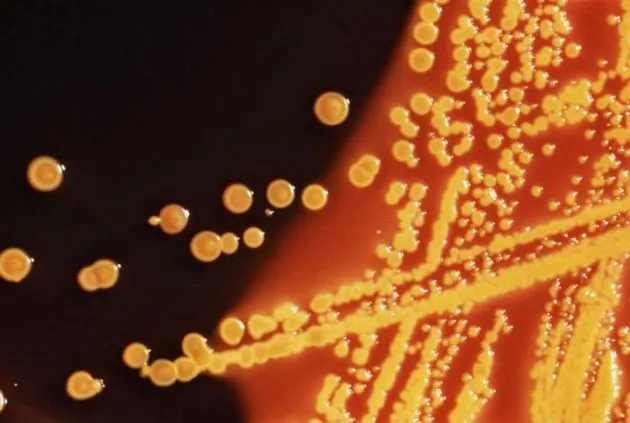
Although microbes often produce copious amounts of ethanol during fermentation, germs do not naturally generate significant volumes of higher alcohols. Now UCLA researchers have genetically engineered a strain of E. coli — a bacterium commonly found in human guts — to produce several higher alcohols from sugar.
The chemicals E. coli normally employs to make amino acids (the building blocks of proteins) can also be used to construct higher alcohols. Liao and his colleagues plugged in genes that synthesized higher alcohols from these molecules.
Get the world’s most fascinating discoveries delivered straight to your inbox.
The researchers will detail their findings in the Jan. 3 issue of the journal Nature.
Since the chemicals used to make amino acids are universal to life on Earth, Liao suggested this technique could be implemented across a variety of organisms. For instance, if this process was employed with microbes that break down cellulose — the main ingredient of wood — "they can then convert cellulose to higher alcohols directly," he told LiveScience. If photosynthetic germs that absorb carbon dioxide from the air were used instead, "these organisms can then convert carbon dioxide to biofuels with the help of sunlight."
The researchers are working with Pasadena, Calif.-based biofuels startup company Gevo to commercialize technology that produces biofuels from sugar. Liao expects they could use E. coli to start making the higher alcohol isobutanol from sugar within the next two to three years.
"It will take longer for industrial production of biofuels from other raw materials," Liao said.
- Top 10 Emerging Environmental Technologies
- What's Your Environmental Footprint?
- Whatever Happened to Biodiesel?
