













Microbes Turned Into Drug Factories
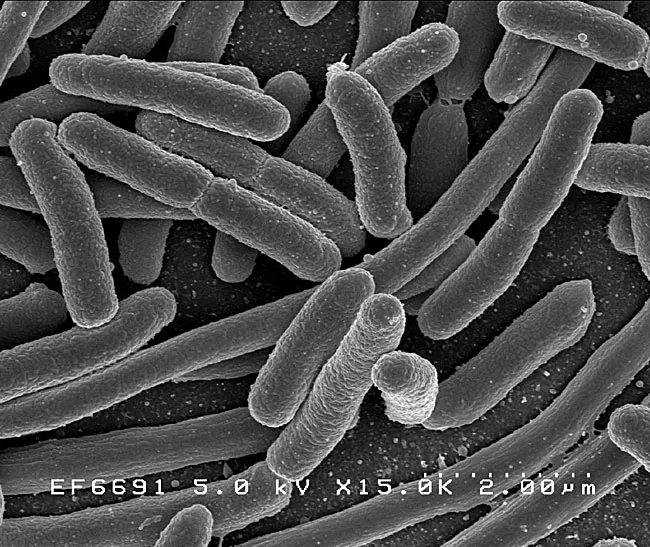
Bacteria play a deadly role in transmitting infectious disease, but some are now being engineered to become highly efficient factories for plant compounds that could keep us from getting sick and old.
The plant-derived chemicals, called flavonoids, have the potential to fight obesity, cancer, heart disease and even signs of aging. But if we can't produce them in large amounts to craft useful drugs, their promise is all hype.
While scientists have turned to genetically engineered microbes for help, previous attempts to efficiently produce flavonoids have faltered — until now.
"The work that we've done allows us not only to make a lot of these compounds, but also diversify their chemistry," said Mattheos Koffas, a chemical and biological engineer at the University of Buffalo. He noted that "diversifying" flavonoids could make some of the compounds more useful in the human body than natural forms.
Koffas and his colleagues' findings are detailed in a recent issue of the journal Applied and Environmental Microbiology.
A 'growing' problem
Plants may grow flavonoids naturally, but mass-producing them is difficult due to space, time and money constraints — even when tiny plant cells are grown in large batches.
Get the world’s most fascinating discoveries delivered straight to your inbox.
"You can't work with plant cells as easily as microorganisms. Plant cells are hard to manipulate and are slow-growing," Koffas told LiveScience. "Bacteria grow faster and are easier to genetically engineer."
Koffas noted another stumbling block for flavonoids is their behavior in the body: If a person swallows a flavonoid-packed supplement, a vast majority of the molecules are broken down and flushed out in a short period of time.
The researchers set out to address the problems by manipulating the genome of an Escherichia coli bacteria strain able to produce several flavonoids, including pinocembrin — a compound found in honey. When Koffas and his team inserted a handful of performance-boosting genes into the E. coli's genome, the bacteria produced an unprecedented 11 times more pinocembrin than unaltered bacteria could.
"We are finding out how we can actually 'train' microbial systems to produce high yields of chemicals to be used as pharmaceuticals and to make production processes more efficient, less expensive and more environmentally friendly," Koffas said.
Starting line
The researchers are excited about the successful performance boost, but Koffas cautioned that even an 11-fold increase is just a starting point. He said manufacturers want to see a 100-fold or better production rate.
"There are still issues with commercialization we're trying to address," Koffas said, noting that getting enough molecular building blocks into the bacteria to build flavonoids is one of them. "This technique needs a few more years to mature, but it's still really exciting."
In the future, Koffas and his team would like to be able to produce flavonoids — or their "knock-offs" — that could help people manage obesity and diabetes.
"There's been a lot of fuss about their potential anti-aging properties, but I think the most interesting thing is how they might be able to inhibit digestive enzymes," Koffas said.
- GALLERY: Microscopic Images as Art
- Top 10 Mysterious Diseases
- All About Bacteria