For Some Male Creatures, Smaller is Better

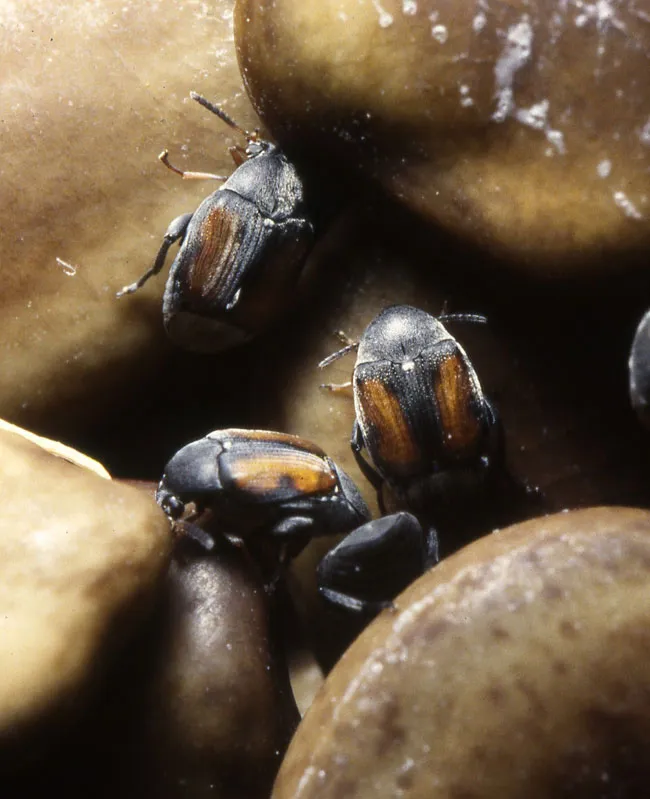
Sometimes smaller is better for males and sex, new findings suggest.
Often big males have the advantage in the animal kingdom, as their superior size helps them win more contests with competitors in the never-ending effort to mate. Still, University of Kentucky evolutionary biologist Charles Fox and his colleagues wondered if little guys might win against goliaths when it comes to races to females. For instance, "smaller males are presumably better flyers because it's easier for them to fly," Fox explained.
The researchers investigated seed beetles (Stator limbatus), breeding eight lineages of the insects, some large, some small. The biologists then let males loose in a large room with females on the other side.
The smaller beetles took off faster and reached females more quickly than larger rivals, "presumably allowing them to mate more quickly and more often," Fox said. He and his colleagues, Jordi Moya-Laraño and Maysaa El Tigani El-Sayyid, detailed their findings online July 17 in the journal Biology Letters.
Fox noted smaller males are known to have advantages in other species as well—for instance, in shorebirds, "where the birds compete with acrobatic flights, smaller males are favored as they can turn faster in displays." These findings could help explain why males of most insects are smaller than females, he said.
Curiously, the researchers found smaller males did even better at racing to females at cooler temperatures. Perhaps smaller beetles warmed up faster because there was less weight for their bodies to heat up, allowing faster take-offs, Fox suggested. Or the muscles of larger beetles might have found it harder to move their extra weight in the cold.
Get the world’s most fascinating discoveries delivered straight to your inbox.