













Is There A Cure for Psoriasis?
"The Healthy Geezer" answers questions about health and aging in his weekly column.
Question: Is there any cure for psoriasis?
There's no cure for psoriasis yet, but there are many ways to get relief from the symptoms of this troublesome disease.
Psoriasis is one of the most common skin ailments. More than 125 million people throughout the world have psoriasis. This chronic disorder affects people of all ages. Psoriasis seems to be inherited.
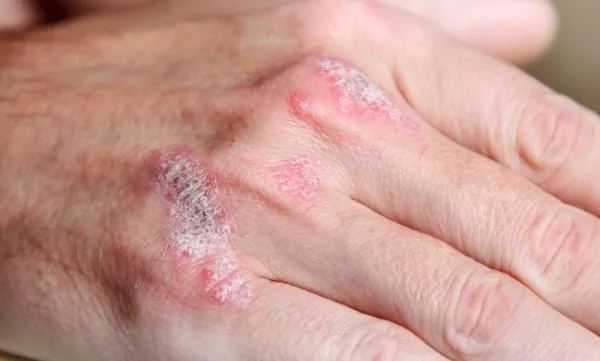
The condition causes skin redness and irritation that can appear anywhere on the body. Most people with psoriasis have thick, red skin with flaky, silver-white patches. There is no known way to prevent psoriasis. It is not contagious.
Psoriasis is the most common autoimmune disease. Researchers think it probably occurs when the body's immune system attacks healthy cells, mistaking them for dangerous substances. Up to one-third of people with psoriasis may also have a form of arthritis called "psoriatic arthritis," in which the immune system also attacks the joints.
In many cases, psoriasis goes away and then flares up again. The triggers that bring on psoriasis include: stress, dry air, infections, skin injuries, some medicines, too much or too little sun, cold weather, drinking too much alcohol and smoking.
Get the world’s most fascinating discoveries delivered straight to your inbox.
If you have a weakened immune system, you may experience more severe symptoms from psoriasis. A weakened immune system comes with rheumatoid arthritis, chemotherapy and AIDS.
There are a variety of psoriasis types. These include:
- Plaque. This is the most common type of psoriasis. This produces thick, red patches of skin covered by flaky, silver-white scales.
- Erythrodermic: This is the least common type of psoriasis. The skin redness is very intense and can cover your entire body with a red, peeling rash that can itch or burn intensely.
- Guttate. This affects people younger than 30 and is usually triggered by a bacterial infection such as strep throat. It's marked by small sores on the trunk, arms, legs and scalp.
- Inverse. The symptoms of inverse psoriasis include skin redness and irritation in the armpits, groin, and in between overlapping skin. It's more common in overweight people and is worsened by friction and sweating.
- Pustular. This is an uncommon type of psoriasis that can occur in large patches. It generally develops pus-filled blisters after your skin becomes red and tender.
- Nail. The nails of fingers and toes become pitted. They can grow abnormally with discoloration. Psoriatic nails may become loose and fall off.
- Scalp. Psoriasis on the scalp appears as red, itchy areas with silvery-white scales. If you scratch your scalp, flakes of dead skin fall to your shoulders.
There are three basic methods for treating psoriasis: topical medications, internal medications and phototherapy.
Most cases of psoriasis are treated with medications that are placed directly on the skin. These include: creams and ointments, dandruff shampoos, moisturizers, medicines containing vitamin D or vitamin A.
Severe psoriasis may be treated with medicines to suppress the body's immune response. These medicines include methotrexate or cyclosporine. Also, new drugs called "biologics" are used to specifically target the body's immune response. These include: Adalimumab (Humira), Etanercept (Enbrel), and Infliximab (Remicade).
Phototherapy is a medical treatment in which your skin is carefully exposed to ultraviolet light.
Home remedies include oatmeal baths that soothe and loosen scales, moderate sun exposure, and relaxation techniques such as meditation to relieve stress.
If you would like to read more columns, you can order a copy of "How to be a Healthy Geezer" at www.healthygeezer.com.
All Rights Reserved © 2013 by Fred Cicetti