














SARS Likely Originated in Chinese Bats, Study Finds

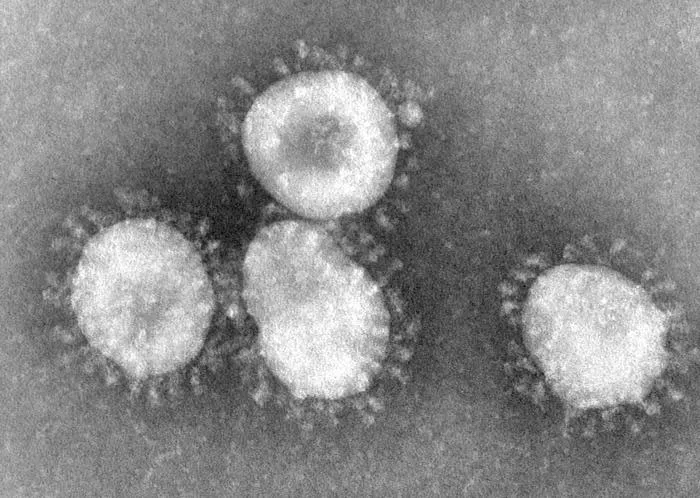
The severe acute respiratory syndrome (SARS) virus — which caused a pandemic in 2002 and 2003, killing more than 750 people worldwide — likely originated in horseshoe bats in China, according to a new study.
The researchers identified two new SARS-like viruses (called coronaviruses) in the bats that are very similar to the SARS virus that infects people.
Although SARS-like coronaviruses have been isolated from bats in the past, which suggested the animals were the origin of the human pandemic, these viruses were still too different to be considered the "ancestors" of SARS. [5 Most Likely Real-Life Contagions]
Troublingly, the study suggests that SARS-like viruses can spread directly from bats to people, instead of going through another animal first, as was previously thought.
The SARS-like virus identified in the study could infect human cells through the same cell receptor that it uses to infect bats.
Currently another SARS-like virus, called Middle East respiratory syndrome (MERS), also suspected to have originated in bats, has caused 145 illnesses, mainly in Saudi Arabia.
Follow Rachael Rettner @RachaelRettner. Follow LiveScience @livescience, Facebook & Google+.
Get the world’s most fascinating discoveries delivered straight to your inbox.

Rachael is a Live Science contributor, and was a former channel editor and senior writer for Live Science between 2010 and 2022. She has a master's degree in journalism from New York University's Science, Health and Environmental Reporting Program. She also holds a B.S. in molecular biology and an M.S. in biology from the University of California, San Diego. Her work has appeared in Scienceline, The Washington Post and Scientific American.