













Mount St. Helens' Lava Dome Partly Collapses
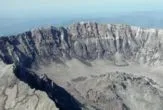
MOUNT ST. HELENS NATIONAL MONUMENT, Wash. (AP) _ A large part of the growing lava dome on Mount St. Helens fell Saturday, sending an ash plume above the crater rim, the U.S. Geological Survey reported.
A rock fall had caused what scientists called a "substantial seismic signal'' and knocked the chunk off the lava dome, which rises from within the main crater that was created in the mountain's historic eruption in 1980. The volcano was relatively quiet for the rest of the day.
"Otherwise, the volcano remains relatively quiet and there are no significant changes in seismicity or deformation," a USGS statement read.
The USGS and the University of Washington have monitored the volcano closely since it rumbled back to life Sept. 23 with shuddering seismic activity that peaked above magnitude 3 as hot magma broke through rocks in its path.
Molten rock reached the surface Oct. 11, marking resumption of dome-building activity that had stopped in 1986. On March 8, it shot ash higher than 30,000 feet, but it has since maintained low-key activity, with wispy smoke regularly floating from the crater.
Scientists have said a more explosive eruption, possibly dropping ash within a 10-mile radius of the crater, is possible at any time.
The lava dome had built to a point some 500 feet taller than before the spate of eruptions began last fall. But in recent weeks it has been crumbling, and scientists said it was probably lower than its peak but had not recently been measured. An image of the dome taken June 30 is available here.
Get the world’s most fascinating discoveries delivered straight to your inbox.
LiveScience staff contributed to this story.
- Mount St. Helens Image Gallery
- Dangerous US Volcanoes Not Properly Monitored
- The Science and History of Volcanoes