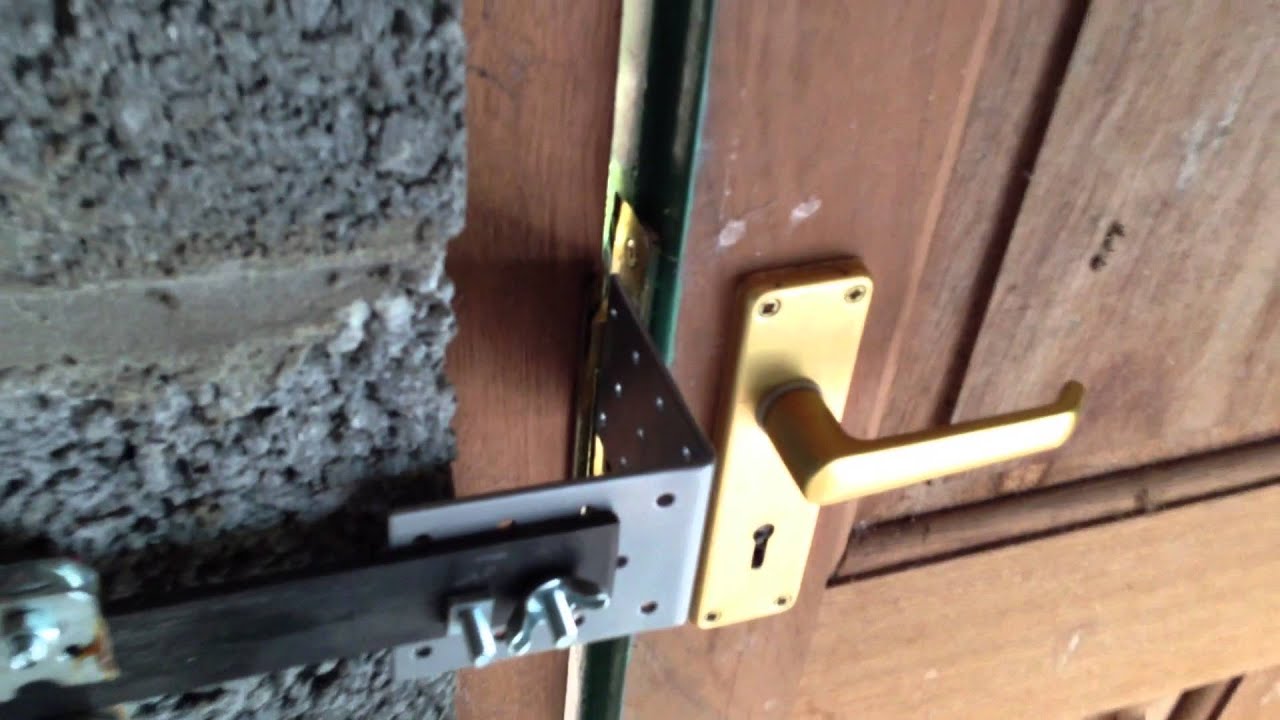
Doggie Door 2.0: A Bark-Activated Door
Get the world’s most fascinating discoveries delivered straight to your inbox.
You are now subscribed
Your newsletter sign-up was successful
Want to add more newsletters?
Delivered Daily
Daily Newsletter
Sign up for the latest discoveries, groundbreaking research and fascinating breakthroughs that impact you and the wider world direct to your inbox.
Once a week
Life's Little Mysteries
Feed your curiosity with an exclusive mystery every week, solved with science and delivered direct to your inbox before it's seen anywhere else.
Once a week
How It Works
Sign up to our free science & technology newsletter for your weekly fix of fascinating articles, quick quizzes, amazing images, and more
Delivered daily
Space.com Newsletter
Breaking space news, the latest updates on rocket launches, skywatching events and more!
Once a month
Watch This Space
Sign up to our monthly entertainment newsletter to keep up with all our coverage of the latest sci-fi and space movies, tv shows, games and books.
Once a week
Night Sky This Week
Discover this week's must-see night sky events, moon phases, and stunning astrophotos. Sign up for our skywatching newsletter and explore the universe with us!
Join the club
Get full access to premium articles, exclusive features and a growing list of member rewards.
If you've ever been awakened at 3 a.m. by a fidgeting Fido who needs to go out, you'll appreciate the bark-activated doggie door invented by David Hunt, a software engineer, photographer and new owner of a yapping dog.
Using cheap electronic components such as a noise detector, a 12-volt motor and a Raspberry Pi (a simple, programmable computer), Hunt wired up a device that opens an exterior door when it detects a dog's bark. His solution, dubbed a "Pi-Rex," is outlined in detail on Hunt's blog.
Hunt's setup isn't the most secure solution to the problem — it won't unlock a deadbolt, for example — but it might be an improvement over what's typically available now: The flapping plastic dog escape hatch that requires users to saw a big hole into an existing exterior door.
Follow Marc Lallanilla on Twitter and Google+. Follow us @livescience, Facebook & Google+.
Get the world’s most fascinating discoveries delivered straight to your inbox.