













How Much Sodium Is Too Much?
"The Healthy Geezer" answers questions about health and aging in his weekly column.
Question: I've noticed that food labels list sodium content, but the numbers mean nothing to me. How much is bad?
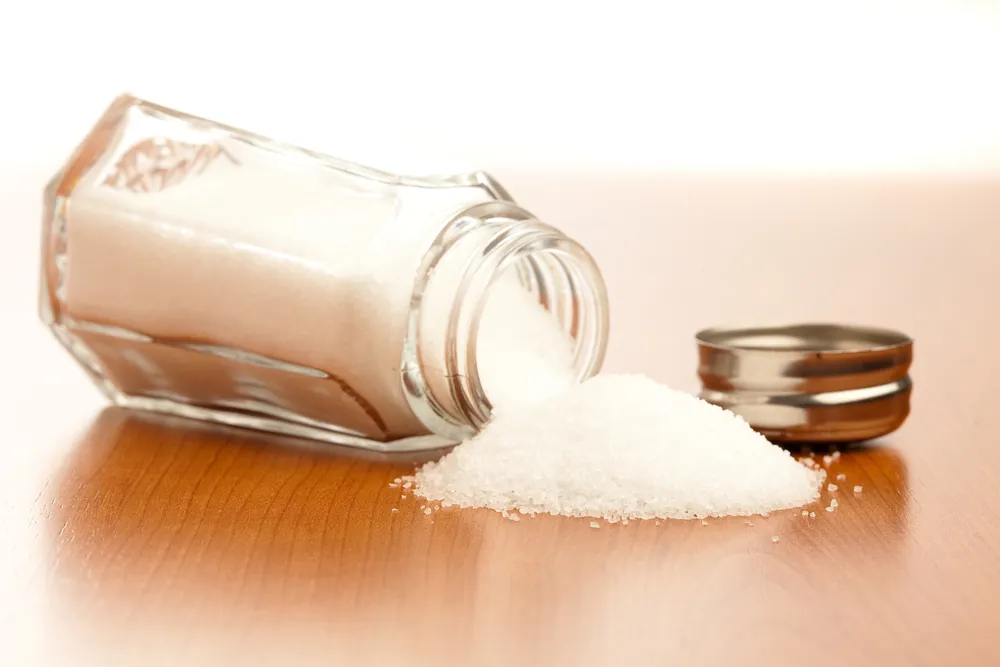
Answer: Diet experts recommend a daily consumption of less than 2,400 milligrams (mg), which is the amount of sodium in a teaspoon of table salt. If you have high blood pressure, your doctor may advise limiting yourself to 1,500 mg of sodium a day.
High-sodium diets are linked to increased blood pressure and a greater risk for heart disease and stroke. Reducing the amount of sodium you consume can help lower blood pressure or prevent it from developing. Less sodium also makes blood-pressure medications more efficient.
Table salt (sodium chloride) is not the only problem. The main sources of sodium in the average U.S. diet are: 5 percent added while cooking, 6 percent added while eating, 12 percent from natural sources and 77 percent from processed foods.
Most of the body's sodium is in blood and other fluids. Sodium helps keep fluids in a normal balance and helps maintain normal nerve and muscle function. The body gets sodium through eating and drinking, and loses it by sweating and urinating. Healthy kidneys maintain a consistent level of sodium in the body by adjusting the amount excreted in the urine.
Seniors have to be especially careful about sodium consumption because their bodies can't handle it as well as they did when they were younger. Here are some reasons:
Get the world’s most fascinating discoveries delivered straight to your inbox.
- Kidneys may not work as well as they did.
- As we age, we are not as sensitive to thirst, and may not drink fluids when we need them.
- About 45 percent of body weight is fluid in healthy older people, compared with 60 percent in younger people. Even a slight loss of fluid and sodium in a senior can cause health problems.
- Some older people have physical problems that prevent them from getting something to drink.
Hyponatremia is a low sodium level in blood. In seniors, this can be caused by water retention brought on by heart failure.
Hypernatremia is a high sodium level in blood. This is common in older people. It is caused by dehydration from not getting enough fluid.
Symptoms of hyponatremia or hypernatremia are usually more severe in older people. For example, hyponatremia can cause confusion, agitation, or lethargy.
About 9 out of 10 Americans consume too much sodium. How can you cut down? In my next column, I'll give you some tips to reduce your sodium intake.
If you would like to read more columns, you can order a copy of "How to be a Healthy Geezer" at www.healthygeezer.com.
All rights reserved © 2012 by Fred Cicetti