













11% of Infants Born Preterm Worldwide

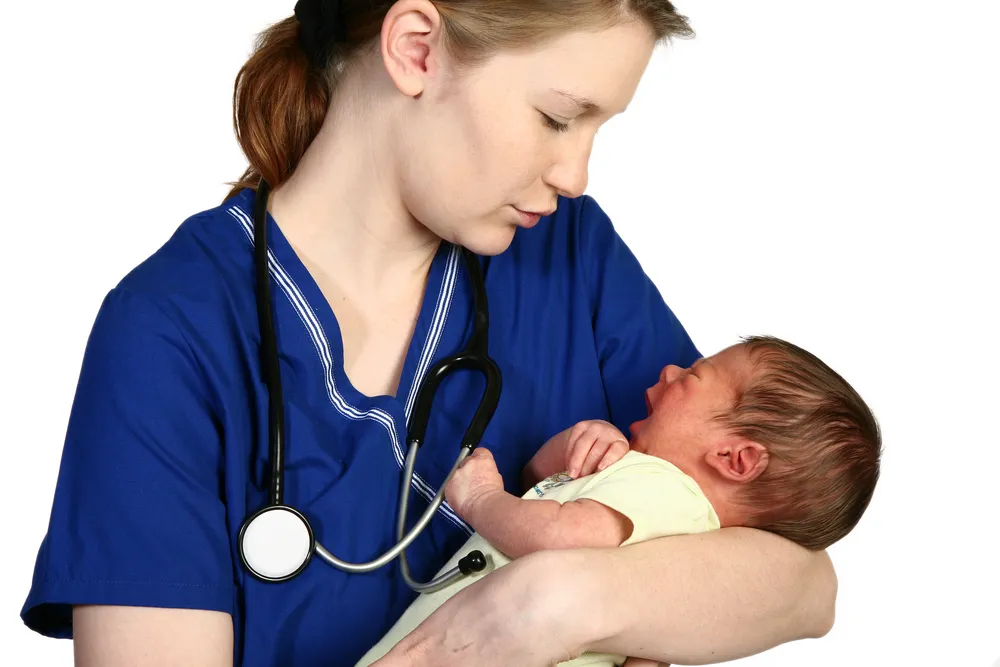
One in nine babies around the world is born before the full term of pregnancy, and although these preterm births occur primarily in the developing world, the number of preterm births in the United States ranks among the 10 highest in the world, a new report says.
Worldwide, an estimated 11.1 percent of births in 2010 were preterm, or before 37 weeks of pregnancy, the report said. The U.S. preterm birth rate was 12 percent. While that constituted a slight rise ? 0.7 percentage points ? since 1990, some European countries saw their preterm birth rate rise four times as much over the same two decades .
"Most European countries have about half the preterm birth rate of the U.S., but whilst the U.S. rate has leveled off, European rates, even in Scandinavian countries, are increasing," said study author Dr. Joy Lawn, a pediatrician and epidemiologist who worked for the World Health Organization in producing the report.
Preterm birth is the largest cause of newborn deaths and the second-largest cause of death (trailing only pneumonia) in children before age 5, researchers said.
Nearly fifteen million babies worldwide were born preterm in 2010, the report estimates.
The report was based on statistics from 184 countries. The researchers also looked at 20 years' worth of preterm birth rates in 65 countries that had the available data.
For those 65 countries, the overall preterm birth rate in 2010 was 8.6 percent; it had been 7.5 percent in 1990. Over the two decades, the preterm birth rate decreased in only three of the countries: Croatia, Estonia and Ecuador. The rate held steady in 14 countries. A specific cause for the increase in the other countries was unknown, the report said.
Get the world’s most fascinating discoveries delivered straight to your inbox.
Sixty percent of all preterm births in 2010 occurred in southern Asia or sub-Saharan Africa, where 52 percent of all global births occur.
Preterm birth rates in many European countries increased between 1.5 and 2.8 percent since 1990, and researchers said the effects on the health care system were apparent.
The research was done for the World Health Organization. The report appears today (June 7) in the Lancet.
Improving maternal health care could dramatically reduce rates of preterm birth, according to a comment on the study by Nils-Halvdan Morken from University of Bergen in Norway.
Pass it on: Preterm birth occurs in one in nine pregnancies globally, increasing the risk of death during childhood. Incidence of preterm births seems to be increasing in many places, including Europe, which has historically seen low preterm-birth rates.
Follow MyHealthNewsDaily on Twitter @MyHealth_MHND. Find us on Facebook.
