













Tattoos Increase Hepatitis C Risk, Study Finds

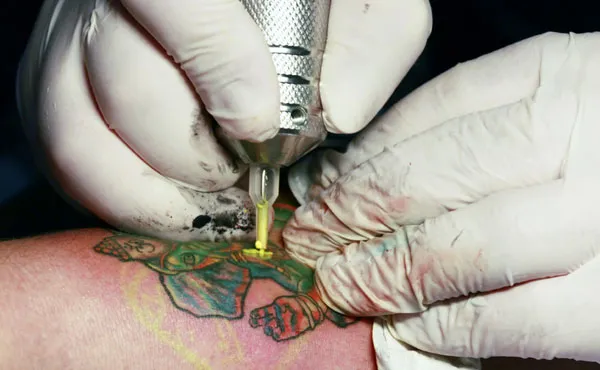
The more tattoos a person has, their greater the risk of contracting hepatitis C and other blood-borne diseases, according to a University of British Columbia study published in August in the International Journal of Infectious Diseases.
The study, which looked at cases from more than 30 countries including the United States, found that youths, prison inmates and people with many tattoos that cover large parts of the body are at a higher risk of contracting the diseases, according to the researchers.
"Since tattoo instruments come in contact with blood and bodily fluids, infections may be transmitted if instruments are used on more than one person without being sterilized or without proper hygiene techniques," study researcher Dr. Siavash Jafari, a resident in the University of British Columbia's School of Population and Public Health, said in a statement. He also warned that many tattoo dyes are not kept in sterile containers.
The incidence of hepatitis C is directly linked with the numbers of tattoos the person received. Hepatitis C is caused by a virus that attacks and inflames the liver, which can lead to cirrhosis, or scarring, of the liver tissue, liver cancer and liver failure, according to the Mayo Clinic.
Approximately 36 percent of Americans have a tattoo, according to the researchers. During the tattooing process, color pigments are injected into the skin at speeds of 80 to 150 punctures a second. Tattoos have previously been linked to high risks of allergic reactions, hepatitis B, HIV, infection and complications from tattoo removal.
The researchers encourage infection-control guidelines for people who work in the tattooing industry, as well as prevention and education programs for youths, who are more likely than older people to get a tattoo, and prisoners, who have a higher prevalence of hepatitis C than that of the general population.
Get the world’s most fascinating discoveries delivered straight to your inbox.
