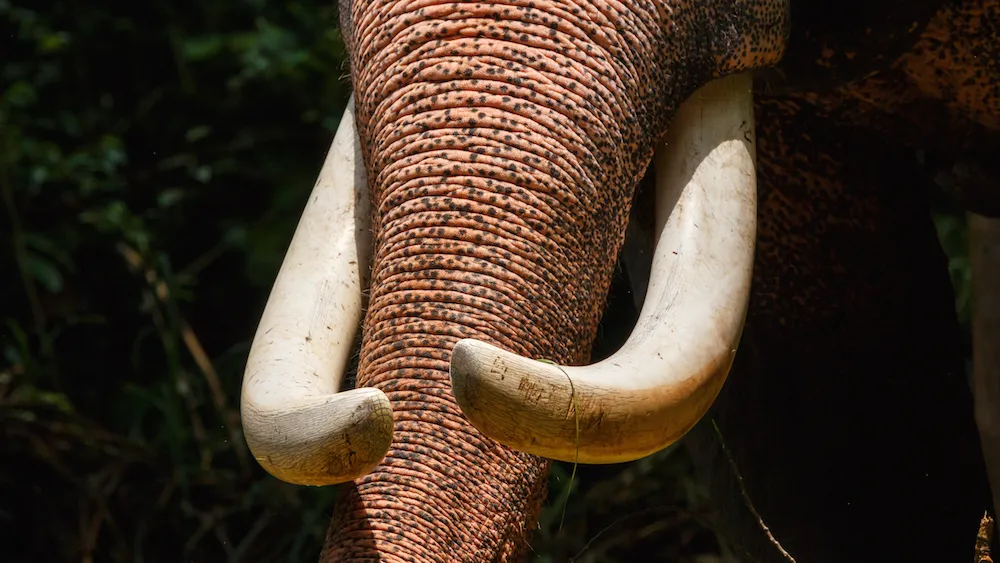
What's the Point of Tusks?
Get the world’s most fascinating discoveries delivered straight to your inbox.
You are now subscribed
Your newsletter sign-up was successful
Want to add more newsletters?
Delivered Daily
Daily Newsletter
Sign up for the latest discoveries, groundbreaking research and fascinating breakthroughs that impact you and the wider world direct to your inbox.
Once a week
Life's Little Mysteries
Feed your curiosity with an exclusive mystery every week, solved with science and delivered direct to your inbox before it's seen anywhere else.
Once a week
How It Works
Sign up to our free science & technology newsletter for your weekly fix of fascinating articles, quick quizzes, amazing images, and more
Delivered daily
Space.com Newsletter
Breaking space news, the latest updates on rocket launches, skywatching events and more!
Once a month
Watch This Space
Sign up to our monthly entertainment newsletter to keep up with all our coverage of the latest sci-fi and space movies, tv shows, games and books.
Once a week
Night Sky This Week
Discover this week's must-see night sky events, moon phases, and stunning astrophotos. Sign up for our skywatching newsletter and explore the universe with us!
Join the club
Get full access to premium articles, exclusive features and a growing list of member rewards.
Tusks, those ivory spears that protrude from the jaws of certain large mammals, are actually elongated teeth. Ivory, the stuff they're made of, is a type of dentine calcium-rich tooth tissue .
The tusks of elephants and narwhals are modified permanent upper incisors, whereas the tusks of walruses, warthogs and wild boars are outsized canines .
There's no one reason that tusks evolved from teeth in so many different species. Elephants use them to dig and bore. Male narwhals spar with them to impress narwhal-ladies. Walruses use them like picks, to grip ice. Boars use them as weapons.
The largest tusk ever recorded belonged to an African elephant . It weighed 214 pounds and was 11 feet six inches long.
Original story on Live Science.
Get the world’s most fascinating discoveries delivered straight to your inbox.