














Why Do Bottles of Water Have Expiration Dates?

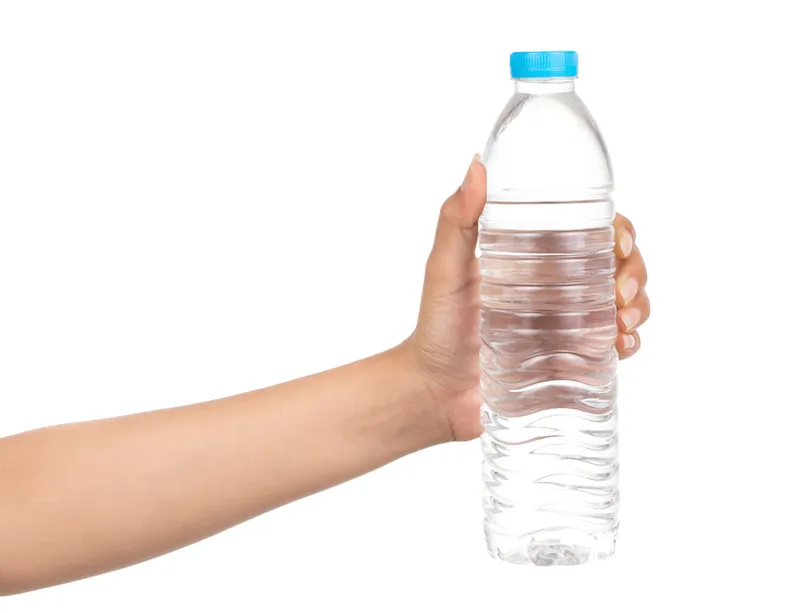
You've just finished an intense workout, and you reach for a cold bottle of water. You crack open the seal and as you bring the bottle to your lips, you notice the expiration date says the water expired two months ago. You thought the bottle seemed a little dusty.
Should you worry?
Of course not. Water doesn't go bad. Having a freshness date on a bottle of water makes about as much sense as having an expiration date on sugar or salt.
There are several reasons why water bottles come with an expiration date. The main one is government bureaucracy: Water is a consumable food product, and as such, it is subject to laws requiring expiration dates on all consumables, from bologna to lemonade.
Besides that, the expiration date on bottled water has certain benefits for the manufacturer.
Although water, in and of itself, does not go bad, the plastic bottle it is contained in does "expire," and will eventually start leaching chemicals into the water. This won't necessarily render the water toxic, but it might make it taste somewhat less than "mountain spring fresh." If consumers contact drink companies to complain that water they bought several years earlier tastes bad, the bottlers can point out that it's their own fault for not drinking it by the expiration date.
Furthermore, many companies bottle water using the same machines they use to bottle sodas and other beverages which do expire and should carry an expiration date. It's easier and more efficient to simply put a stamp on all the bottles (whether needed or not) rather than dedicating a special machine just for bottled water.
Get the world’s most fascinating discoveries delivered straight to your inbox.
Finally, expiration dates are usually only one element of a printed code that also identifies the date, bottling plant, and other information. Even though the expiration date itself is meaningless in terms of water going bad, the manufacturing information could be useful in tracking down contamination, bottling errors or product recalls.
