Bouncing Zoo Babies of 2011
Get the world’s most fascinating discoveries delivered straight to your inbox.
You are now subscribed
Your newsletter sign-up was successful
Want to add more newsletters?
Delivered Daily
Daily Newsletter
Sign up for the latest discoveries, groundbreaking research and fascinating breakthroughs that impact you and the wider world direct to your inbox.
Once a week
Life's Little Mysteries
Feed your curiosity with an exclusive mystery every week, solved with science and delivered direct to your inbox before it's seen anywhere else.
Once a week
How It Works
Sign up to our free science & technology newsletter for your weekly fix of fascinating articles, quick quizzes, amazing images, and more
Delivered daily
Space.com Newsletter
Breaking space news, the latest updates on rocket launches, skywatching events and more!
Once a month
Watch This Space
Sign up to our monthly entertainment newsletter to keep up with all our coverage of the latest sci-fi and space movies, tv shows, games and books.
Once a week
Night Sky This Week
Discover this week's must-see night sky events, moon phases, and stunning astrophotos. Sign up for our skywatching newsletter and explore the universe with us!
Join the club
Get full access to premium articles, exclusive features and a growing list of member rewards.
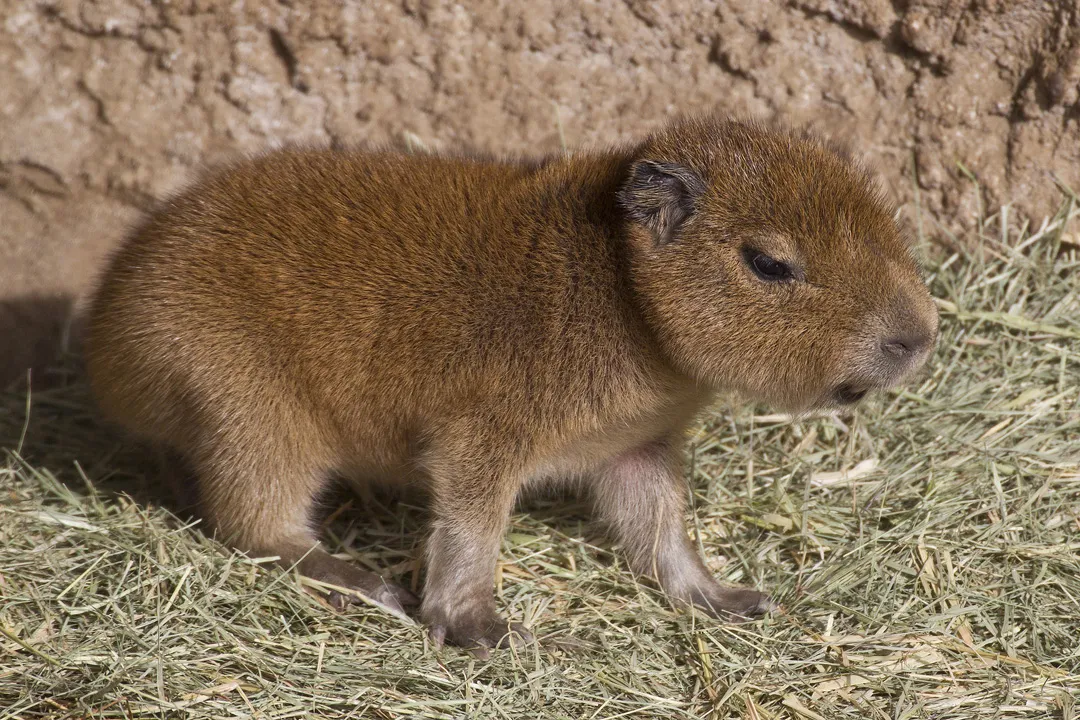
November: Capybara
When this picture was taken in late November, this baby capybara was only 1 day old and weighed 3 to 5 pounds.
Capybaras are the world's largest rodent species an adult male can weigh up to 141 pounds and a female up to 146 pounds.
The word capybara means "master of the grass" and its scientific name, Hydrochoerus, means "water hog" because of its love for water.
December: Grevy's Zebra
This Grevy's Zebra foal was the second one born to the Great Plains Zoo in South Dakota.
The zoo's 10-year-old zebra, named Trinity, gave birth to the male foal, who weighed 80 pounds. Foals typically weight between 50 and 80 pounds, and mothers gives birth after a 13-month gestation period.
These animals are endangered due to competition with domestic grazing animals, habitat destruction and human disturbance at critical water holes. In the 1970s, there were about 15,000 Grevy's Zebras across Africa; today only about 2,500 survive in the wild.[Read more: World's Cutest Baby Wild Animals]
Get the world’s most fascinating discoveries delivered straight to your inbox.