
















NY Loon Census Counts Endangered Birds

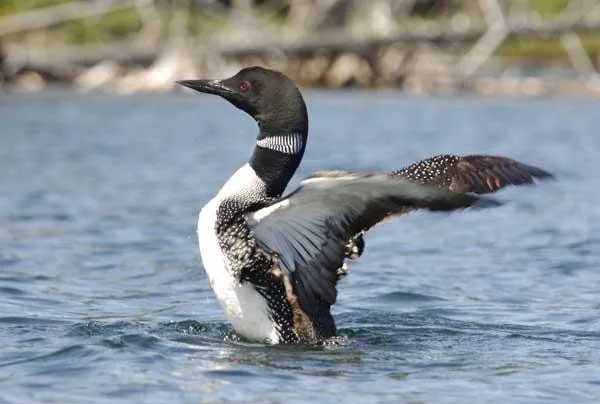
Last weekend, more than 500 volunteers spent their Saturday tromping through the damper spots in Adirondack Park in the northeast corner of New York State, all for the love of loons.
The Wildlife Conservation Society's (WCS) 10th Annual New York Loon Census covered 300 lakes and ponds throughout the state park.
"Each year, our volunteers turn out and show how much they care about these iconic birds," said WCS Adirondack Program Director Zoe Smith.
Loons are aquatic birds that are excellent swimmers and found in North America and the northern reaches of Europe and Asia.
This year's Adirondack census brought out more people than ever before, allowing the WCS to vastly increase the amount of park land covered.
"The loon census not only provides vital data and insights into the status of the loon populations in the region, but it is also a great way to engage local people in meaningful conservation work," Smith said.
In addition, the census has provided some good news in recent years. The park's loon population has doubled since the last available pre-census data of the 1980s. Current estimates place loon numbers between 1,500 and 2,000 in the area.
Get the world’s most fascinating discoveries delivered straight to your inbox.
However, these iconic birds are still facing grave threats in the Northeast. Habitat loss, climate change and threats from environmental toxins such as increasing mercury levels in water are all contributing to the species' continued spot on endangered species lists.
This year's census results won't be fully tabulated until next spring, just in time for the return of the local loon population which, said WCS North American Program Director Jodi Hilty, provides far more than mere aesthetic value.
Along with being an iconic bird of northern waters, common loons are seen as indicators of regional ecosystem health, Hilty said. The census data are invaluable to our ability to spot a problem.
