













Parasitic Worm Inspires Surgical Technique

A parasitic worm that latches onto the intestines of its hosts has inspired the development of a new surgical technique for skin grafts.
Some of the best engineering solutions come from nature. Researchers have designed a microneedle adhesive for skin grafts — a skin transplant used to treat wounds, burns or other injuries — based on the spiny-headed worm, Pomphorhynchus laevis. The new adhesive, described today (April 16) in the journal Nature Communications, is more than three times stronger than surgical staples, researchers say.
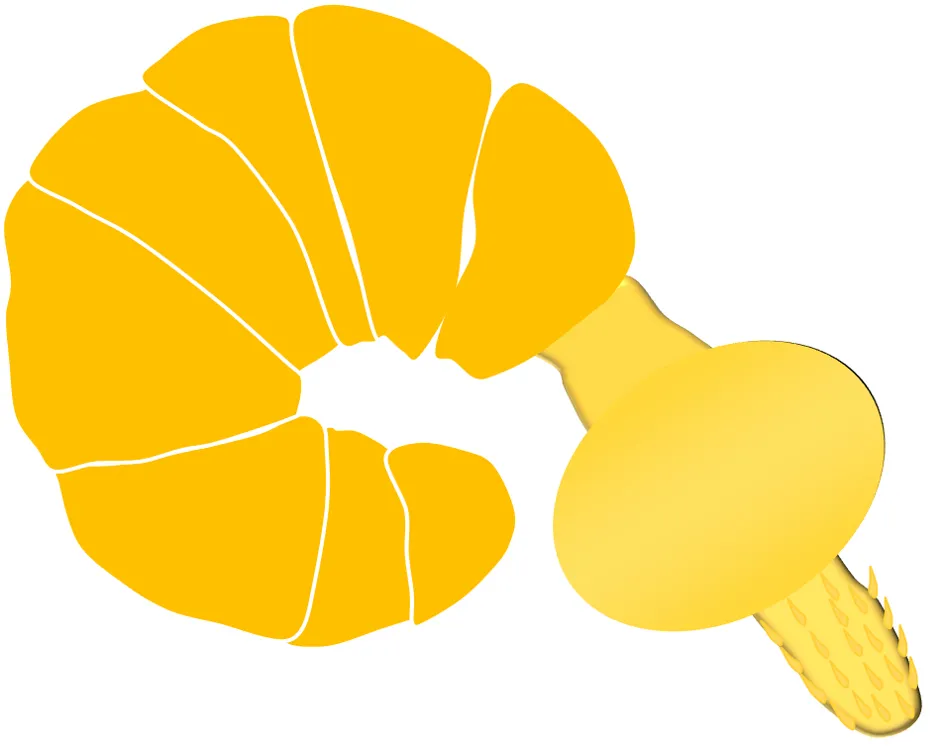
The worm attaches to its host's intestinal wall by skewering it with a sharp spine and then inflating its long, cactus-shaped head inside the tissue. Researchers mimicked this by developing a patch of tiny, cone-shaped needles with tips that swelled when exposed to water. [9 Creatures That Could Save Your Life]
"Drawing on how parasitic worms attach to and feed on fish, [the researchers] have designed a way to close surgical wounds that appears better than anything currently available for clinical use," Scott Somers, of the National Institutes of Health's National Institute of General Medical Sciences (NIGMS), said in a statement. NIGMS provided partial support for the research.
The water-based swelling mechanism is quick as well as reversible. The needles can pierce tissue with minimal force, keep continuous contact with the tissue and adhere strongly when the needles are swollen.
The needles can also stick to soft tissues without causing much damage, the researchers said. Removing the new adhesive, after the skin transplant "takes," causes less trauma to the tissue, blood and nerves than skin staples, and carries a smaller risk of infection, they added.
The new device might ultimately replace staples and sutures used by surgeons to secure skin grafts on patients with burns, infection, cancer and other serious conditions.
Get the world’s most fascinating discoveries delivered straight to your inbox.
The needle system could also potentially be used to deliver wound-healing therapeutics. "These substances may be for example, antibiotics, growth-promoting compounds, or anti-inflammatory molecules," study author Bohdan Pomahac, director of plastic surgery and the burn center at Brigham and Women's Hospital, Boston, said in a statement.
Because the needles can adhere to wet tissues, they may be useful for a variety of surgical procedures inside the body, too.
Follow Tanya Lewis on Twitter and Google+. Follow us @livescience, Facebook & Google+. Original article on LiveScience.
