















Why Some of Us Fret More Over Moral Dilemmas

Imagine yourself in a time of war. You're huddled in a cellar with your entire village, hiding from armed enemy soldiers outside. A baby starts to cry, threatening to expose the hideout. Do you cover the infant's mouth tightly and risk suffocating it to save the others?
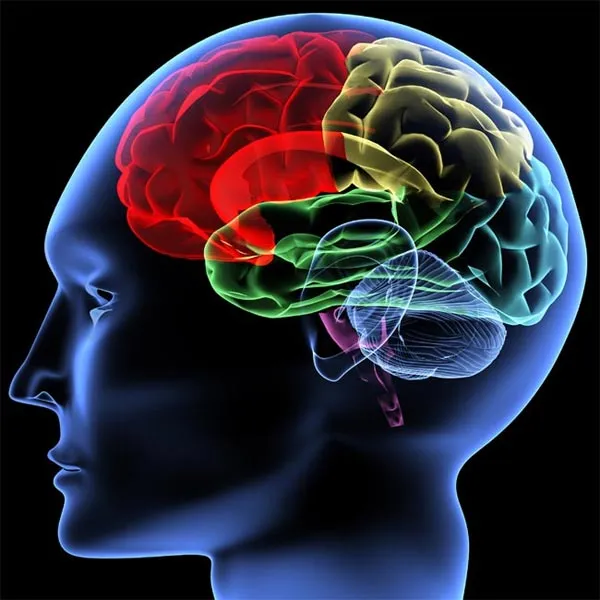
When we're faced with tough choices like this, certain parts of our brain light up, helping us navigate morally sticky situations. New research finds that these brain regions are more active in individuals with obsessive-compulsive disorder (OCD), which suggests they tend to be more distressed by moral quandaries than people without the condition.
"Faced with a problem of this type, people suffering from this type of anxiety disorder show that they worry considerably more," study researcher Carles Soriano, of the Hospital de Bellvitge in Barcelona, told Spanish news agency SINC.
Soriano and his team studied 73 patients with OCD and 73 control subjects, measuring their brain activity with an fMRI machine as they were faced with decisions, such as the classic crying baby dilemma.
Compared with the control subjects, the patients with OCD had a higher degree of activation in the orbitofrontal cortex, a region with ties to the decision making processes and the development of moral sentiment, the researchers found. The OCD patients did not have the same responses when making more trivial choices, such as choosing between going to the countryside or the beach for the weekend, the researchers note.
"The data allows us for the first time to objectify the existence of cerebral dysfunctions related to alterations in complex cognitions, such as experiencing morality," Soriano said. "This allows us to expand further on the characterisation of altered cerebral mechanisms in OCD."
OCD is thought to affect at least 1 percent of the population and is characterized by repetitive behaviors that aim to reduce anxiety.
Get the world’s most fascinating discoveries delivered straight to your inbox.
While the majority of cases involve compulsions to clean and perform other rituals or routines, other forms of the disorder are marked by pathological sexual or religious guilt, suggesting OCD patients might be prone to moral hypersensitivity.
The new study appears in the journal Archives of General Psychiatry.
Follow LiveScience on Twitter @livescience. We're also on Facebook & Google+.
