













2 New Drugs Tied to Fungal Meningitis Outbreak

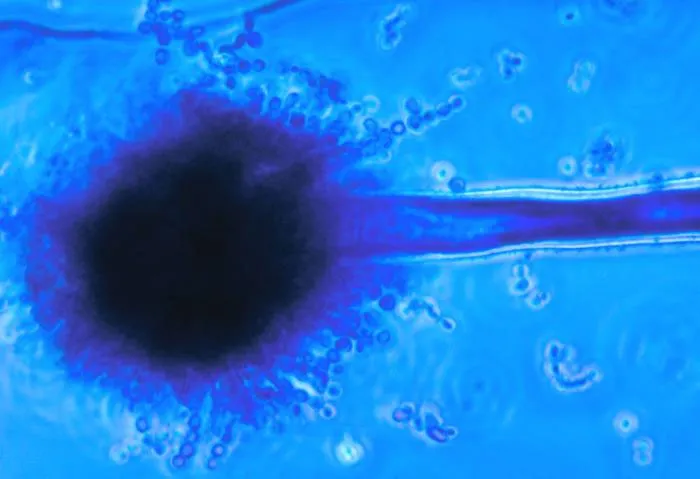
Health officials have now identified two more drugs that may be linked to the recent outbreak of fungal meningitis.
All meningitis cases were previously tied to methylprednisolone acetate — a steroid injection used as treatment for back pain. Two additional cases of fungal infections in people's joints were linked with the same drug.
But now, one case of suspected meningitis has been linked to a drug called triamcinolone acetonide, another type of steroid injection, according to the Food and Drug Administration.
Both drugs were made by the New England Compounding Center in Framingham, Mass.
In addition, two patients undergoing organ transplants developed fungal infections after surgeries that used a NECC drug. The drug, called cardioplegic solution, is administered to paralyze the heart during surgery. It is not clear whether the fungal infections seen in these two patients were caused by the cardioplegic solution, or by something else, the FDA noted.
So far, the outbreak has affected 214 people in 15 states, and caused 15 deaths, according to the Centers for Disease Control and Prevention.
Patients who received any injectable drug made by NECC — including drugs used in eye surgery — or who received cardioplegic solution should be alerted about their potential risk for infection, the FDA says.
Get the world’s most fascinating discoveries delivered straight to your inbox.
Pass it on: Two new drugs, both made by the same pharmacy, have been tied to the fungal meningitis outbreak.
This story was provided by MyHealthNewsDaily, a sister site to LiveScience. Follow MyHealthNewsDaily on Twitter @MyHealth_MHND. We're also on Facebook & Google+.
