













New SARS-Like Virus: Who Should Get Tested?

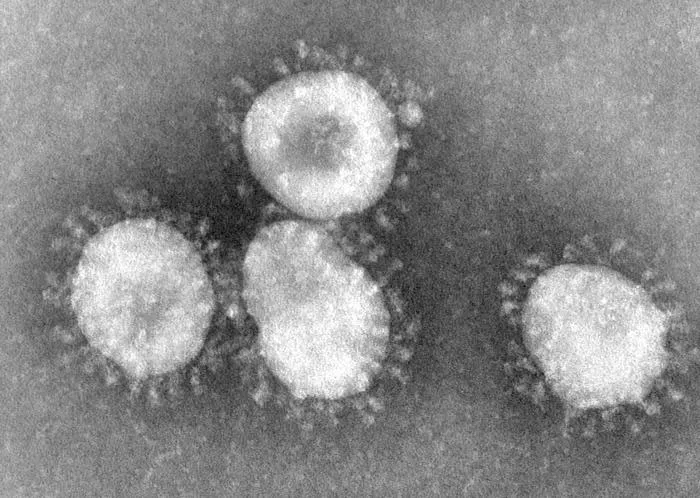
Health officials made recommendations for who should be tested for a new SARS-like virus that was first identified last month.
People should be tested for the virus if they have a respiratory infection (which may include fever or cough), have recently traveled to Qatar or Saudi Arabia, are suspected to have pneumonia or a similar condition, and if their current illness cannot be explained by other infections that typically cause pneumonia, according to the World Health Organization (WHO).
The new virus, which belongs to the same family as the one that causes SARS (Severe acute respiratory syndrome), has been confirmed in two people worldwide: a 49-year-old man from Qatar who recently traveled to Saudi Arabia, and a 60-year old man from Saudi Arabia who died from his condition.
WHO made the new recommendations to "ensure an appropriate and effective identification and investigation of patients who may be infected with the virus, without overburdening health care systems with unnecessary testing," the organization said.
People should also be tested if they become ill after contact with a person who was known to have the virus, WHO said.
So far, the new illness does not appear to spread from person to person, according to WHO.
In 2003, an outbreak of SARS sickened about 8,000 people worldwide, killing nearly 800, according to the Centers for Disease Control and Prevention.
Get the world’s most fascinating discoveries delivered straight to your inbox.
Pass it on: People who have traveled to Qatar or Saudi Arabia and who have a respiratory infection that cannot be explained by common causes should be tested for a new SARS-like virus.
This story was provided by MyHealthNewsDaily, a sister site to LiveScience. Follow MyHealthNewsDaily @MyHealth_MHND. We're also on Facebook & Google+.
