













Many Women Don't Know When They're Fertile

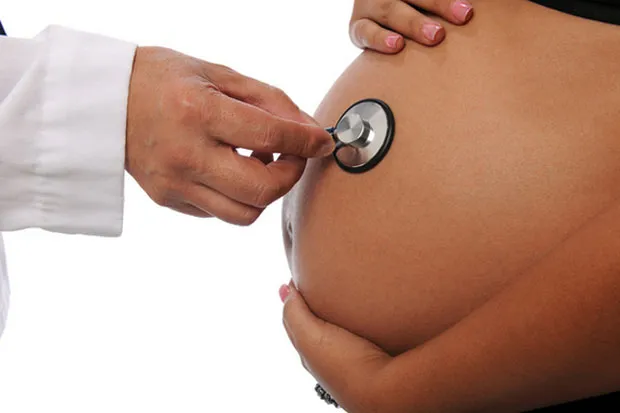
Women seeking help getting pregnant at fertility clinics are often confused about when they're most likely to conceive naturally, an Australian survey finds.
Researchers at Monash University in Melbourne polled 204 women looking for fertility assistance at two assisted reproductive technology (ART) clinics in the city. Just 13 percent could correctly answer which days of their menstrual cycle they were fertile, even though 68 percent said they believed they had accurately timed sex in their attempts to conceive naturally, and 87 percent said they tried to improve fertility knowledge. "This study found a majority of the women seeking fertility treatment had insufficient knowledge of when to time intercourse to optimize natural conception," researcher Kerry Hampton, who led the study, said in a statement from Monash.
"Accurately timed intercourse on fertile days of the menstrual cycle may reduce the time it takes a couple to get pregnant, helping some to avoid unnecessary ART treatment," Hampton said.
Scientists define infertility as the inability to conceive after a year of unprotected sex. And Hampton said poor fertility awareness could be a contributing cause of infertility.
A woman is most fertile during the few days just before and including ovulation, which typically occurs 14 days before the start of a period.
The results of the survey, which were published online July 5, will be detailed in a forthcoming print issue of the International Journal of Advanced Nursing.
Follow LiveScience on Twitter @livescience. We're also on Facebook & Google+.
Get the world’s most fascinating discoveries delivered straight to your inbox.
