













List: Most-Challenged Books of 2011

The Office for Intellectual Freedom recently released its list of the top 10 most challenged books of 2011. These are books that parents or other groups of people have attempted to get removed from schools and libraries because of concerns about their content.
Banning books is not a good option, according to Illinois State University children's literature specialist Karen Coats. But parents looking for good, age-appropriate books for their children should check out Newberry Award winners and finalists, Coats said. Local librarians and children's bookstore staff know the lay of the kid-lit land, too, she said.
[Read more about how parenting experts recommend handling tough books]
1. The "IM" book series ("ttyl," "ttfn," and "l8r, g8r") by Lauren Myracle. Challenged for offensive language, sexual content, for its religious viewpoint and for being age-inappropriate.
2. "The Color of Earth," a graphic novel series by Kim Dong Hwa. Challenged for nudity, sex education, sexual content and for being age-inappropriate.
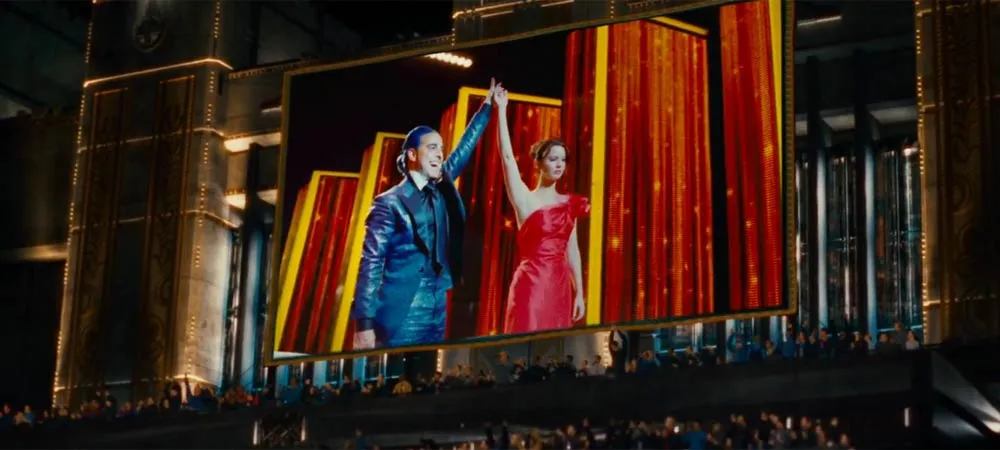
3. "The Hunger Games" trilogy by Suzanne Collins. Challenged as anti-ethnic and anti-family as well as for offensive language, violence and "occult/satanic" content.
4. "My Mom's Having a Baby! A Kid's Month-by-Month Guide to Pregnancy" by Dori Hillestad Butler. Challenged for nudity, sex education, sexual content and as being age-inappropriate.
Get the world’s most fascinating discoveries delivered straight to your inbox.
5. "The Absolutely True Diary of a Part-Time Indian" by Sherman Alexie. Challenged for offensive language, racism, religious viewpoint, sexual content and as being age-inappropriate.
6. "Alice," a series by Phyllis Reynolds Naylor. Challenged for nudity, offensive language, and religious viewpoint.
7. "Brave New World" by Aldous Huxley. Challenged for insensitivity, nudity, racism, religious viewpoint and sexual content.
8. "What My Mother Doesn't Know" by Sonya Sones. Challenged for nudity, offensive language and sexual content.
9. "Gossip Girl," a series by Cecily Von Ziegesar. Challenged for drugs, offensive language, and sexual content.
10. "To Kill a Mockingbird" by Harper Lee. Challenged for offensive language and racism.
You can follow LiveScience senior writer Stephanie Pappas on Twitter @sipappas. Follow LiveScience for the latest in science news and discoveries on Twitter @livescience and on Facebook.

Stephanie Pappas is a contributing writer for Live Science, covering topics ranging from geoscience to archaeology to the human brain and behavior. She was previously a senior writer for Live Science but is now a freelancer based in Denver, Colorado, and regularly contributes to Scientific American and The Monitor, the monthly magazine of the American Psychological Association. Stephanie received a bachelor's degree in psychology from the University of South Carolina and a graduate certificate in science communication from the University of California, Santa Cruz.