













How to Forge Art: Mark Landis Explains His Technique

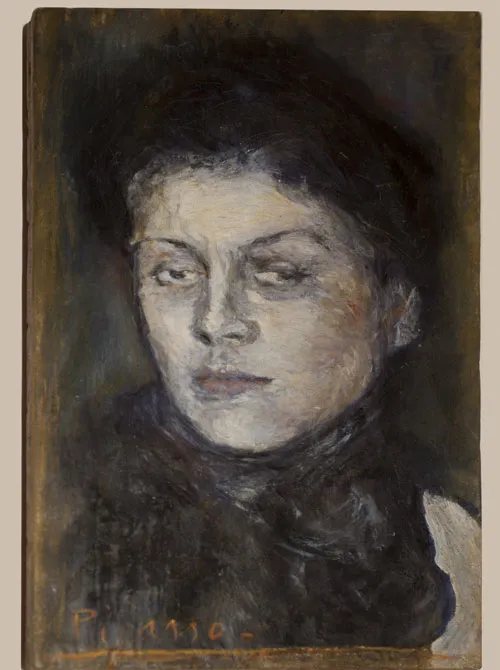
For nearly 30 years, art forger Mark Landis has copied the work of other artists and then donated the pieces he produced to museums and art institutes. Over and over again, his forgeries were accepted, at least at first, as the real thing.
Landis, a 57-year-old who lives in Laurel, Miss., has presented more than 100 forged works of art to at least 50 institutions in 20 U.S. states, estimates Matthew Leininger, co-curator of the exhibit "Faux Real" at the University of Chicago, which features Landis' work. But he suspects the actual tally is much higher. [Gallery of Landis' Forgeries]
Landis doesn't offer much clarification. "That is more or less true," he said of Leininger's estimate. He did, however, offer a bit more insight into how he copies other artists' work effectively enough that many museums have been taken in.
"I have done drawings and watercolors, then later on, I don't know, somewhere around 2000, in the late 1990s, I started to realize you could do a lot with the new color Xerox machines," Landis told LiveScience.
Frequently, Landis starts out with art catalogs or books. From these he selects art work that is small enough that it would be easy to transport, and that he thinks would please his parents — honoring his parents, who have both passed away, is an important part of the motivation he describes for donating copied pictures to museums.
"In 2000, I used to go to Office Depot or something like that and use their color copier, then, when I got the printer, I wouldn't have to go any place," Landis said.
There's nothing special about his printer; it's probably a Hewlett-Packard, it cost a couple hundred dollars, and can make both black-and-white and color copies, he said.
Get the world’s most fascinating discoveries delivered straight to your inbox.
Landis likes to work assembly-line style, an inclination he believes he inherited from a grandfather who worked in automobile manufacturing. Landis pastes copies of a picture onto boards cut at Home Depot, then goes over a number of them in one sitting while watching TV. Using colored pencils, paint or markers, he fills in the image. To the naked eyes of museum staff, these works appear real when Landis presents them as gifts. But under ultraviolet light or a magnifying glass, the illusion falls apart. [9 Famous Art Forgers]
Before employing the copier, he used a more traditional method, simply recreating the image with pencils and paints.
Since some of the work he copies was created centuries earlier, he uses instant coffee to create a stain that mimics the passage of time.
"It sounds simple," he said of his technique, cautioning that an aptitude for painting and drawing is necessary.
You can follow LiveScience senior writer Wynne Parry on Twitter @Wynne_Parry. Follow LiveScience for the latest in science news and discoveries on Twitter @livescience and on Facebook.
