













Americans More Likely than Canadians to Believe in Bigfoot

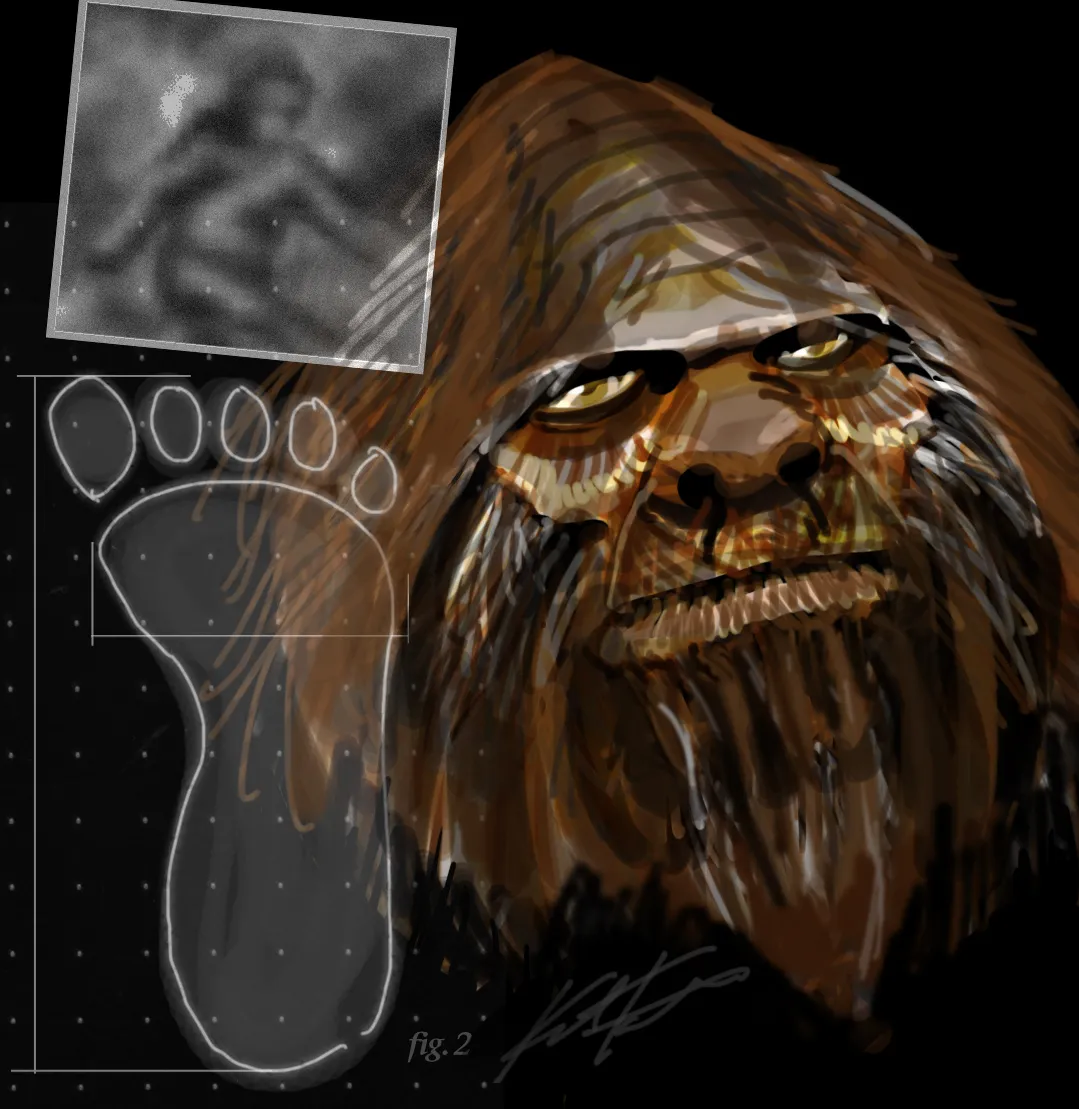
Americans are more likely than Canadians to think that Bigfoot is real, while Scots more commonly believe in the Loch Ness monster than English people, a new survey finds.
According to the new Angus Reid Public Opinion poll, nearly three-in-ten Americans (29 percent) and one-in-five Canadians (21 percent) think Bigfoot is "definitely" or "probably" real. This legendary humanoid creature, also known as the Abominable Snowman, Yeti or sasquatch, is said to roam remote forested areas.
In Canada, Albertans are the biggest Bigfoot believers, while in United States, people in the West (where most sightings occur) reported the highest rates of belief. [Russians Claim 'Indisputable Proof' of Yeti ]
Across the pond in Great Britain, there was a similar national divide on matters of mythical beasts. Only 17 percent of English people believe theLoch Ness Monster is "definitely" or "probably" real, a proportion that jumps to 24 percent in Scotland.
Among the several thousand who were surveyed, there was no correlation between political affiliation and likelihood of belief across the board. While Liberal Party voters in Canada were the least likely to believe in Bigfoot, Democrats in the U.S. were the most likely. In Britain, almost a third of Scottish National Party (SNP) voters — the country's most conservative party — believe the Loch Ness Monster is real, while only 15 percent of Liberal Democrats agree with that assessment.
In short, conservatism was associated with belief in monsters in Canada and Scotland, while liberalism was tied to monster belief in the U.S.
There was also no clear correlation between belief and gender. North American men are more likely to believe that Bigfoot is real than women there, but women in Britain are more likely to think that the Loch Ness Monster is real than their male countrymen.
Get the world’s most fascinating discoveries delivered straight to your inbox.
Follow Life's Little Mysteries on Twitter @llmysteries, then join us on Facebook.
