














Rare Good News for Beleaguered Florida Keys Corals

Some much-needed good news for corals in the Florida Keys: After a decade of devastating declines, populations of staghorn and elkhorn corals in the Florida Keys National Marine Sanctuary have remained steady over the last decade.
Coral disease devastated staghorn and elkhorn corals throughout the Keys and the Caribbean starting in the late 1970s. Severe coral bleaching also contributed to significant population declines. Bleaching occurs when water temperatures rise: Corals expel the symbiotic algae that provide them with their dazzling colors and their food. When the algae are shed, the white coral skeletons are left behind.
Dwindling populations prompted the listing of staghorn and elkhorn coral as "threatened" on the Endangered Species List in 2006.
Researchers from the University of North Carolina, Wilmington have monitored the coral reef communities in the marine sanctuary since 1998. This past summer, the researchers counted and measured the corals, as well as invertebrates such as urchins and anemones, at 280 sites off the northern Keys, from Key Largo to Islamorada.
The count revealed that while populations of the iconic branching corals remain far below their historic numbers, the surviving populations of both species have not suffered further declines.
"Our estimates for population sizes for staghorn and elkhorn have remained relatively constant over the last 10 years, with millions of staghorn colonies and several hundred thousand elkhorn colonies present throughout the sanctuary," said UNC Wilmington researcher Steven Miller, principal investigator for the project. "These numbers, however, represent a small fraction of what previously existed throughout the Florida Keys."
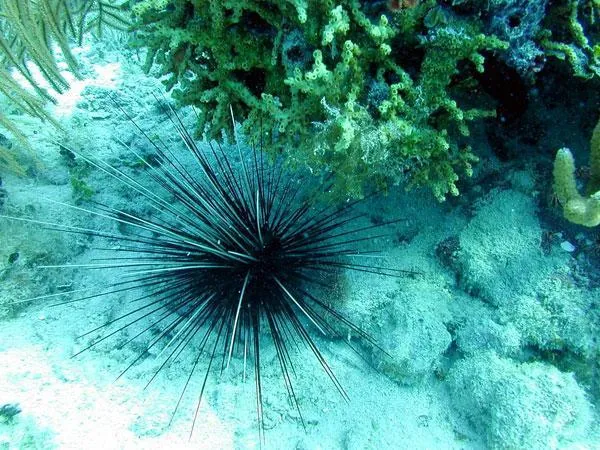
The research also indicates that long-spined sea urchins, important grazers of seaweed that can kill off corals , also appear to be on the slow road to recovery. Disease ravaged urchins in Florida and the Caribbean in the early 1980s.
Get the world’s most fascinating discoveries delivered straight to your inbox.
"Although long-spined sea urchin densities are almost 100 times less than their levels in the early 1980s, we have documented a slow but steady increase in their numbers and sizes," said UNC Wilmington researcher Mark Chiappone.
Urchin sizes noticeably increased in the past 20 years, and researchers anticipate that with time, increasing urchin numbers and sizes may help corals to recover on reefs with abundant seaweed cover.
This story was provided by OurAmazingPlanet, a sister site to LiveScience.
