













Yuck! Most Kids Don't Shower Before Using Public Pools
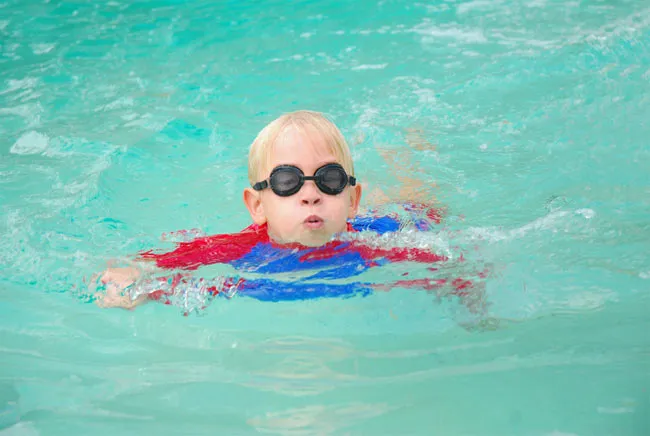
Most people shower after a day at the pool, but do you know anyone who's adamant about showering before going in the water? Many parents don't understand the risk of water infections from public pools and water parks, and few realize a pre-swim shower can largely prevent these illnesses, new research shows.
Recreational water illnesses (RWI), which are spread by swallowing, breathing in or contacting contaminated water in some way, affect more than 10,000 Americans each year. Public pools and water parks play a major role in spreading RWIs, but few parents have their kids take the necessary preventive steps, according to the University of Michigan C.S. Mott Children's Hospital National Poll on Children’s Health.
The poll asked 865 parents, with children ages 5 to 12, questions regarding their opinions about water park risks and basic water park rules. When asked about whose responsibility it is to prevent infections, 28 percent of parents indicated it's the sole responsibility of the water park's staff. Furthermore, most parents chose to ignore parks' requests for hygienic pre-swim showers. [7 Devastating Infectious Diseases] Showering before a swim isn't just about curbing germs. A 2010 study by University of Illinois researchers found that when swimmers' nitrogen-rich consumer products, such as cosmetics and sunscreens, mixed with pool disinfectants, the products become chemically modified and converted into more toxic agents. Long-term exposure to toxic disinfection byproducts may be able to mutate genes, induce birth defects, accelerate the aging process, cause respiratory ailments and even induce cancer, according to the University of Illinois researchers.
"While 64 percent of parents feel it is very important for children to not swallow the water at a water park, only 26 percent of parents think it is very important to shower before getting in the water," Matthew Davis, director of the poll and associate professor in the Child Health Evaluation and Research Unit at the university's medical school, said in a statement.
It's true that water parks should make sure that their water has been correctly disinfected — but disinfection can only go so far, the researchers say. Although chlorine kills most of the germs that cause RWIs within an hour, cryptosporidiosis, a parasite that causes abdominal cramping, diarrhea and nausea, can survive for days even in properly disinfected water.
The best way to fight the spread of RWIs like cryptosporidiosis is to prevent the parasites from entering public pools and water parks in the first place.
The researchers recommend that parents make sure their children wash thoroughly with soap and water before swimming.
Get the world’s most fascinating discoveries delivered straight to your inbox.
Parents should also take their kids on bathroom breaks and frequently conduct diaper checks to prevent their children from urinating in the pool. Unfortunately, this problem isn't limited to children, as one in five adults admit to peeing in swimming pools, according to 2009 survey conducted by the Water Quality and Health Council.
Follow LiveScience for the latest in science news and discoveries on Twitter @livescience and on Facebook.