













Deadly Superbug's CPU Found

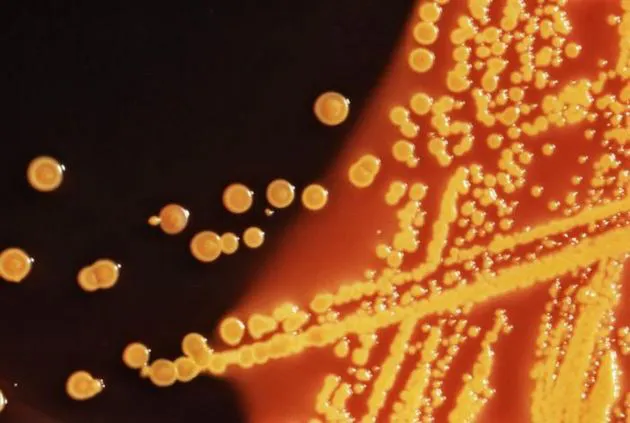
The deadly bacteria Staphylococcus aureus has developed antibiotic-resistant strains that have earned it the nickname "superbug." Now researchers say they've discovered a central controller or processing unit (CPU) of the superbug's weaponry.
The bacteria is the cause for a wide range of difficult-to-treat human infectious diseases such as pneumonia, toxic-shock syndrome and flesh-eating diseases. It is especially troublesome in hospitals.
A small chemical, made by the superbug Staphylococcus aureus and its drug-resistant forms, determines this disease's strength and ability to infect, the researchers report in the June 4 issue of the journal Science.
The discovery will provide new options for fight back and disable the virulent bacteria, they said.
"We've found that when these small chemicals in the bacteria are shut down, the bacteria is rendered non-functional and non-infectious," said Nathan Magarvey, assistant professor of biochemistry and biomedical sciences at McMaster University. "We're now set on hacking into this pathogen and making its system crash."
To identify these "pathogen small molecule CPUs", the researchers used cutting-edge chemical mining tools to reveal the molecular wiring associated with their formation. Then, to uncover its function, the McMaster scientists shut off its synthesis, showing that the deadly pathogens had been tamed and unable to burst open red blood cells.
Get the world’s most fascinating discoveries delivered straight to your inbox.
