
-
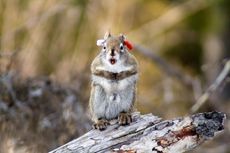 Stressed Momma Squirrels and Their Pups (Gallery)
Opinion Squirrels are highly excitable creatures, but new research indicates that stress is actually good for their babies.
Opinion -
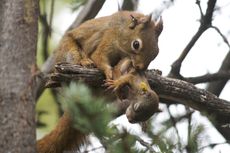 Squirrel Moms' Stress Aids Pup Survival
Opinion Research has shown that squirrels exposed to stress hormones grow larger faster, improving survival chances.
Opinion -
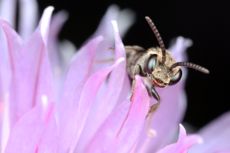 Getting the Buzz on Bees
Because bees are big business in the U.S., collecting and sharing data about the insect is important to address the decline in bee populations.
insects -
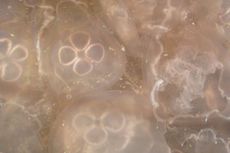 Jellyfish Swarms: Bellwethers of Environmental Change
Human activities are promoting giant jellyfish swarms.
climate-change -
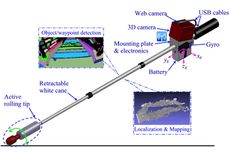 Seeing-Eye Robot Assists Visually Impaired, No Clean-Up Required
This new generation walking stick combines the benefits of a whitestick with the guidance of a seeing-eye dog without the need for long, expensive trainings or the necessary clean up.
neuroscience -
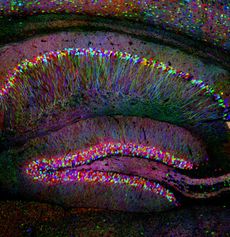 Memory Making Linked to Gene and Protein, Research Showsneuroscience
 -
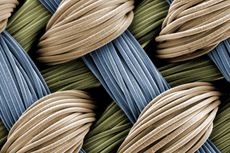 New Biomaterial Mimics Functionality of Natural Cartilageengineering
 -
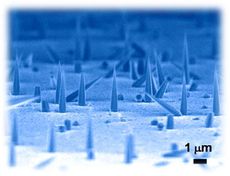 Nanolasers on Silicon to Provide Faster Data Transmission
The need for speed drives search for hybrid communication technologies.
communications -
 Engineers Model Better Navigation Systems After Brain’s Adaptability
The brain’s special abilities entice engineers like Silvia Ferrari to model it when creating new control and navigation systems for aircraft, robots and more.
neuroscience


