 Live Science Plus






Low-Fat Bacon? Scientists Use CRISPR to Breed Petite Piglets
You are now subscribed
Your newsletter sign-up was successful
Want to add more newsletters?

Delivered Daily
Daily Newsletter
Sign up for the latest discoveries, groundbreaking research and fascinating breakthroughs that impact you and the wider world direct to your inbox.

Once a week
Life's Little Mysteries
Feed your curiosity with an exclusive mystery every week, solved with science and delivered direct to your inbox before it's seen anywhere else.

Once a week
How It Works
Sign up to our free science & technology newsletter for your weekly fix of fascinating articles, quick quizzes, amazing images, and more

Delivered daily
Space.com Newsletter
Breaking space news, the latest updates on rocket launches, skywatching events and more!

Once a month
Watch This Space
Sign up to our monthly entertainment newsletter to keep up with all our coverage of the latest sci-fi and space movies, tv shows, games and books.

Once a week
Night Sky This Week
Discover this week's must-see night sky events, moon phases, and stunning astrophotos. Sign up for our skywatching newsletter and explore the universe with us!
Join the club
Get full access to premium articles, exclusive features and a growing list of member rewards.
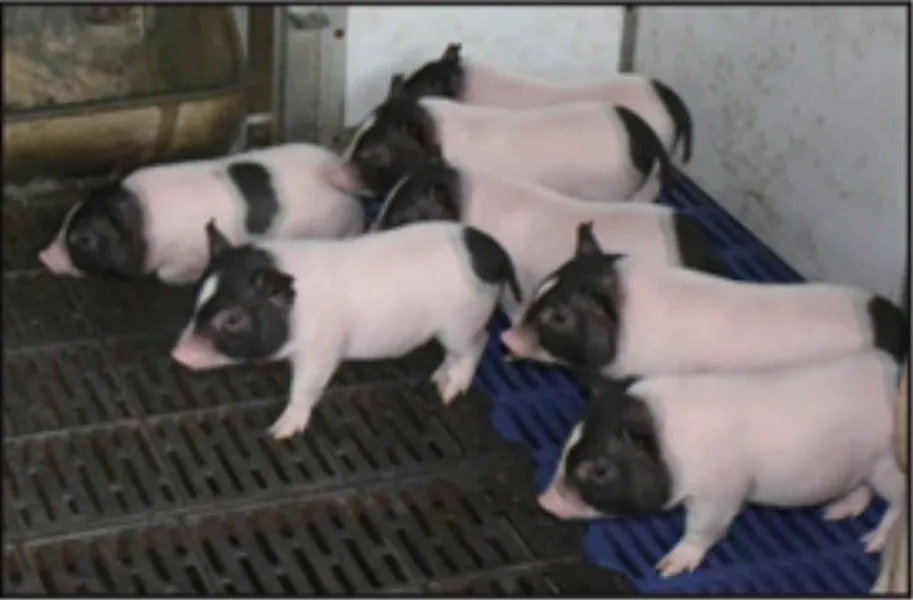
A group of scientists in China has successfully modified the genes of pigs to create a slimmer swine.
These "low-fat" pigs have about a quarter less body fat than normal pigs, according to NPR.
These edited pig embryos were implanted into 13 female pigs, three of whom became pregnant and gave birth to a total of 12 piglets, according to the study. [10 Amazing Things Scientists Just with CRISPR]
In addition to having less fat than their non-modified piggy peers, the low-fat pigs were better able to regulate their body temperature in the cold.
Indeed, the ability to withstand colder temperatures was the main reason the scientists modified the pig genome. Cold temperatures can be a killer for newborn piglets, which are unable to maintain their body temperature, according to the study. Pig breeders have responded by using heat lamps to warm the infant pigs. However, the creation of piglets that can stay warm on their own could increase piglet survival, the researchers said.
But you probably won't see these low-fat pigs, and their low-fat bacon, in the United States any time soon: It's unlikely that the Food and Drug Administration would approve a genetically modified pig to sell in the U.S., and consumers would likely also be highly skeptical, study editor R. Michael Roberts, an animal sciences professor at the University of Missouri told NPR.
Originally published on Live Science.

