Swedish Doctors Transplant Wombs into 9 Women
Get the world’s most fascinating discoveries delivered straight to your inbox.
You are now subscribed
Your newsletter sign-up was successful
Want to add more newsletters?
Delivered Daily
Daily Newsletter
Sign up for the latest discoveries, groundbreaking research and fascinating breakthroughs that impact you and the wider world direct to your inbox.
Once a week
Life's Little Mysteries
Feed your curiosity with an exclusive mystery every week, solved with science and delivered direct to your inbox before it's seen anywhere else.
Once a week
How It Works
Sign up to our free science & technology newsletter for your weekly fix of fascinating articles, quick quizzes, amazing images, and more
Delivered daily
Space.com Newsletter
Breaking space news, the latest updates on rocket launches, skywatching events and more!
Once a month
Watch This Space
Sign up to our monthly entertainment newsletter to keep up with all our coverage of the latest sci-fi and space movies, tv shows, games and books.
Once a week
Night Sky This Week
Discover this week's must-see night sky events, moon phases, and stunning astrophotos. Sign up for our skywatching newsletter and explore the universe with us!
Join the club
Get full access to premium articles, exclusive features and a growing list of member rewards.
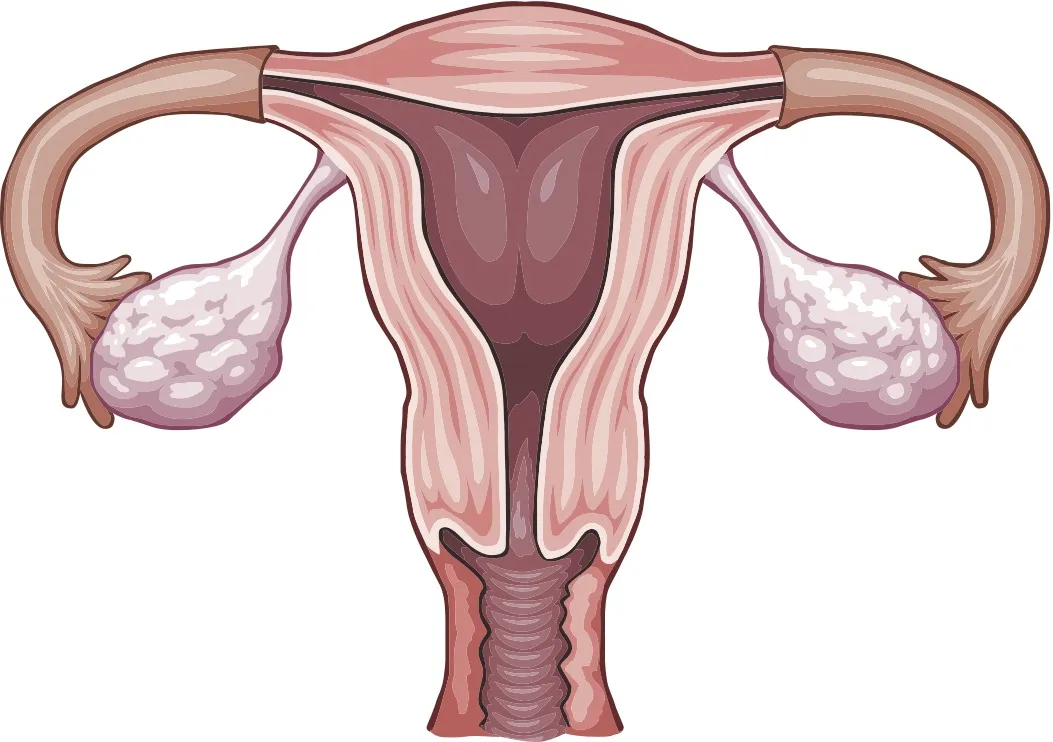
Nine women in Sweden have received womb transplants, using organs donated from living relatives, according to news reports.
Each woman who underwent the surgery was either born without a uterus, or had it removed because of cervical cancer. They will soon try to become pregnant.
"This is a new kind of surgery," Dr. Mats Brannstrom who led the team of doctors at the University of Gothenburg, told The Associated Press.
There have been previous attempts to transplant a womb, but the women have not given birth.
In the new trial, doctors plan to transfer embryos made through in vitro fertilization into the transplanted wombs, potentially allowing the women to become pregnant and carry their biological children.
If the women have successful pregnancies, this will show the treatment could help many others, the doctors told news media. About 1 in 4,500 girls are born without a uterus, a syndrome known as MRKH, and about 40 percent of women who develop cervical cancer are in childbearing age.
Email Bahar Gholipour. Follow us @LiveScience, Facebook & Google+. Original article on LiveScience.
Get the world’s most fascinating discoveries delivered straight to your inbox.