 Live Science Plus





You are now subscribed
Your newsletter sign-up was successful
Want to add more newsletters?

Delivered Daily
Daily Newsletter
Sign up for the latest discoveries, groundbreaking research and fascinating breakthroughs that impact you and the wider world direct to your inbox.

Once a week
Life's Little Mysteries
Feed your curiosity with an exclusive mystery every week, solved with science and delivered direct to your inbox before it's seen anywhere else.

Once a week
How It Works
Sign up to our free science & technology newsletter for your weekly fix of fascinating articles, quick quizzes, amazing images, and more

Delivered daily
Space.com Newsletter
Breaking space news, the latest updates on rocket launches, skywatching events and more!

Once a month
Watch This Space
Sign up to our monthly entertainment newsletter to keep up with all our coverage of the latest sci-fi and space movies, tv shows, games and books.

Once a week
Night Sky This Week
Discover this week's must-see night sky events, moon phases, and stunning astrophotos. Sign up for our skywatching newsletter and explore the universe with us!
Join the club
Get full access to premium articles, exclusive features and a growing list of member rewards.
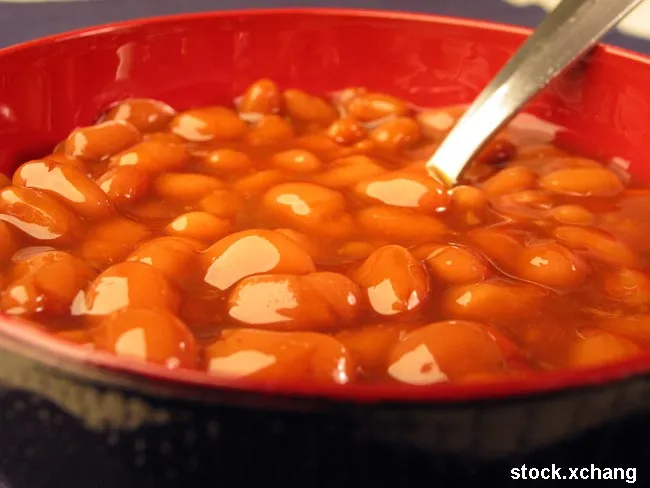
Bean lovers know there's some truth to this schoolyard saying: Beans, beans, the musical fruit. The more you eat, the more you toot! Noisy flatulence following a burrito is just a part of life for some people.
Chefs can tinker with beans to make them less offensive, but oftentimes, pre-treating a food to correct one problem reduces its nutritional value.
Gas primer
Bacteria living in the large intestine are tasked to break down food that wasn't fully digested in the stomach or small intestine, particularly things like the large quantity of soluble fiber in beans.
As the bacteria glean the final bits of nutrients from your meal, they release tiny bubbles of methane gas. The bubbles conglomerate and eventually find their way out of the body, potentially disturbing social situations.
Many bean recipes call for soaking beans in water overnight before baking. Soaked beans take less time to cook, but they also ferment a little. Fermentation breaks down the bean's nutrients so your gut doesn't have to work so hard and you produce less flatulence.
Teaming up
Scientists at Simon Bolivar University in Venezuela determined that adding Lactobacillus casei and L. plantarum to soaking beans improves the fermentation process by efficiently breaking down the fibrous nutrients that can lead to gassy outbursts.
After the bacteria did their thing and the beans were cooked, the amounts of nutrients that could be digested and absorbed from the bean had increased significantly.
The study is detailed online today by the Journal of the Science of Food and Agriculture.
- Dairy Air: Scientists Measure Cow Gas
- Engineering OJ: Terrible Smells Make Juice Fresh
- 21st Century BBQ: Juicier Beef from Cloned Cows
- Some Food Smells Hint at Nutrition
- The Chemistry of Great Coffee
