Entomologist Finds Possible New Tick Species... Up His Nose
Get the world’s most fascinating discoveries delivered straight to your inbox.
You are now subscribed
Your newsletter sign-up was successful
Want to add more newsletters?
Delivered Daily
Daily Newsletter
Sign up for the latest discoveries, groundbreaking research and fascinating breakthroughs that impact you and the wider world direct to your inbox.
Once a week
Life's Little Mysteries
Feed your curiosity with an exclusive mystery every week, solved with science and delivered direct to your inbox before it's seen anywhere else.
Once a week
How It Works
Sign up to our free science & technology newsletter for your weekly fix of fascinating articles, quick quizzes, amazing images, and more
Delivered daily
Space.com Newsletter
Breaking space news, the latest updates on rocket launches, skywatching events and more!
Once a month
Watch This Space
Sign up to our monthly entertainment newsletter to keep up with all our coverage of the latest sci-fi and space movies, tv shows, games and books.
Once a week
Night Sky This Week
Discover this week's must-see night sky events, moon phases, and stunning astrophotos. Sign up for our skywatching newsletter and explore the universe with us!
Join the club
Get full access to premium articles, exclusive features and a growing list of member rewards.
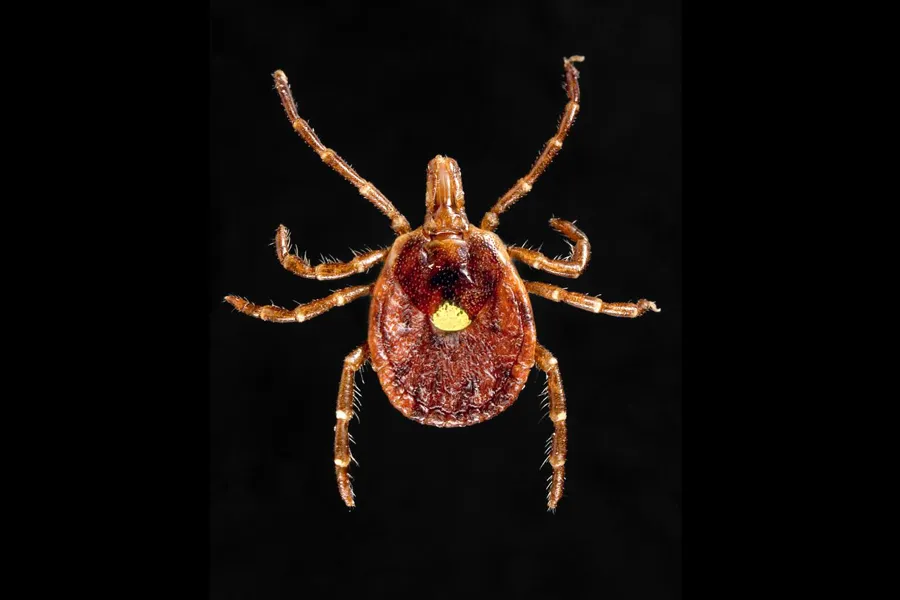
When entomologist Tony Goldberg got back from a trip to Kibale National Park in southwestern Uganda, he soon found that he hadn't returned alone — he had a tick up one of his nostrils. "When I got back to the U.S., I realized I had a stowaway," Goldberg told Entomology Today. "When you first realize you have a tick up your nose, it takes a lot of willpower not to claw your face off."
It turned out to be a type of Ugandan nose tick, known to burrow into chimpanzee nostrils. Goldberg, a University of Wisconsin researcher who studies how infectious diseases spread in the wild, got the genome of the tick sequenced (it was a nymph and couldn't be identified from its bodily features). This revealed that the tick is either a new species, or is a known species that hasn't yet been sequenced, Entomology Today reported.

The ticks appear capable of infesting both chimps and humans, and may represent a new way for diseases to spread between the two, Goldberg said.
Email Douglas Main or follow him @Douglas_Main. Follow us @livescience, Facebook or Google+.
Get the world’s most fascinating discoveries delivered straight to your inbox.