



The Southeast's 10 Most Threatened Places

Alabama's Coast

More oversight and regulation of offshore oil drilling is needed to ensure that nothing like the disaster in the Gulf of Mexico is allowed to happen again, according to the Southern Environment Law Center, which announced its annual list of endangered places in the U.S. Southeast.
Georgia's Cypress Forests
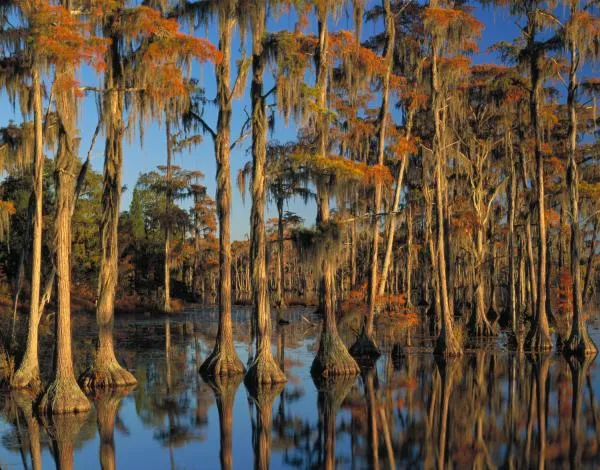
Fueled by an increase in demand for cypress mulch, timber companies are chopping down Georgia's iconic wetland forests faster than they can recover.
Oconee River, Georgia

A proposed coal-fired power plant would siphon an average of 13.5 million gallons (51 million liters) a day from the Oconee River, robbing downstream farms and communities that depend on this resource.

Pea Island National Wildlife Refuge, North Carolina

A short-sighted bridge replacement plan would turn one of the nation's most important havens for waterfowl into a permanent highway construction zone, the SELC says.
Snowbird Mountains, North Carolina

A highway expansion plan from the 1960s would cut four lanes of asphalt through stunning mountain terrain and would expose trout streams to acid-laden pollution.
Cape Fear Basin, North Carolina

A proposed cement plant near Wilmington would destroy 1,000 acres of wetland habitat and further pollute the Northeast Cape Fear River, which already suffers from mercury levels harmful to people and wildlife.
Santee River Basin, South Carolina

An old system of hydroelectric dams could be allowed to perpetuate decades of degradation to wetlands and wildlife habitat.
Get the world’s most fascinating discoveries delivered straight to your inbox.
Cumberland Plateau, Tennessee

Mountaintop removal and other coal mining practices threaten an ecosystem that is world-renowned for its rich biological diversity and rare species.
George Washington National Forest, Virginia

The film "Gasland" has exposed the impacts of hydraulic fracturing (or "fracking"), a method of natural gas extraction linked to the contamination of water supplies; fracking could be on its way to the Southeast's largest public forest and the source of clean water for many Shenandoah Valley communities.
The Chesapeake Bay

The SELC is assisting in overseeing the state and federal agencies charged with developing and implementing restoration plans for the Bay, which continues to suffer from pollution from air, land and water inputs.
