













Bounds of Biodiversity: Photos of Wildlife At Risk

Black Rhino
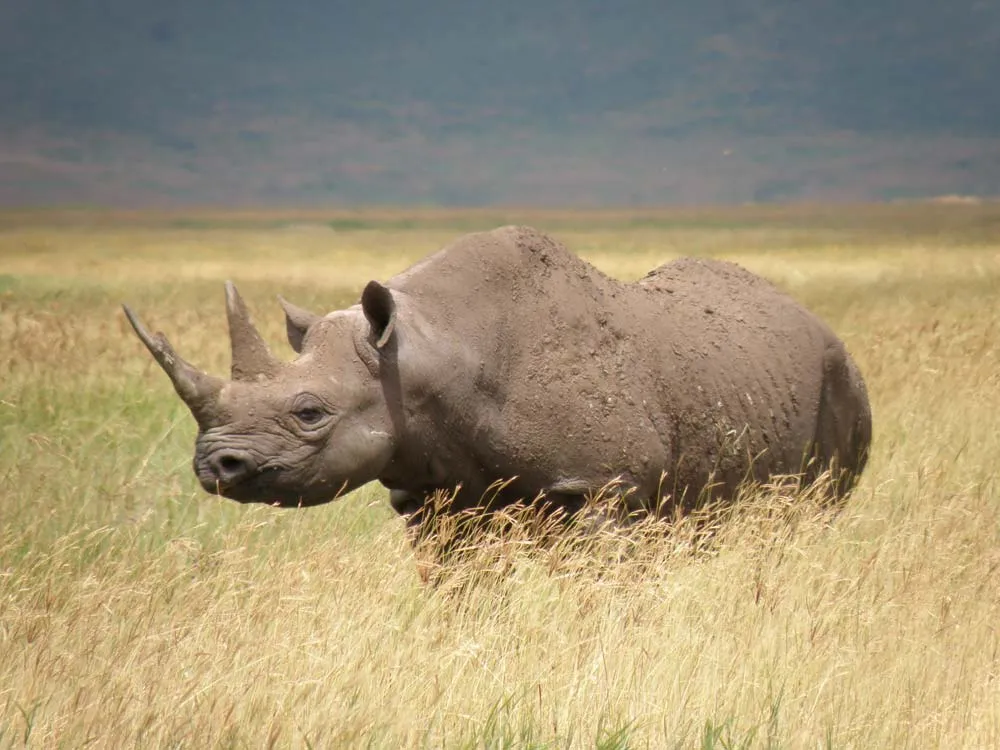
Despite the action of conservation programs, 25 percent of mammals are at risk of extinction, according to a new IUCN report. For example, the reassessments of several rhinoceros species show that the subspecies of the black rhino in western Africa, the western black rhino has officially been declared extinct.
Northern White Rhino

The subspecies of the white rhino in central Africa, the Northern white rhino is currently teetering on the brink of extinction and has been listed as possibly extinct in the wild.
Giant Manta Ray

A manta ray once thought to be a single species is actually two species: the reef manta ray (Manta alfredi) and the giant manta ray called Manta birostris (shown here), both of which are now classified as vulnerable. Considered the largest living ray, the giant manta ray can grow to more than 23 feet (7 meters) across.
Manta ray products have a high value in international trade markets and targeted fisheries hunt them for their valuable gill rakers used in traditional Chinese medicine. Monitoring and regulation of the exploitation and trade of both manta ray species is urgently needed, as well as protection of key habitats, according to the IUCN.
Przewalski's Horse

The Przewalski's Horse (Equus ferus) is a success story, improving its status from critically endangered to endangered. Originally, it was listed as "Extinct in the Wild" in 1996, but thanks to a captive breeding program and a successful reintroduction program, the population is now estimated at more than 300, according to the IUCN.
Tarzan's Chameleon

Tarzan's chameleon (Calumma tarzan), which resides on the island of Madagascar, is now considered critically endangered.
Endangered Gecko

Because of their IUCN red list status, species that have often been overlooked in conservation efforts, such as endangered geckos like the one shown here (Paroedura masobe), will be featured more prominently in future plans, according to the IUCN.
Atlantic Bluefin

Five of the eight species of tuna are in the threatened or near threatened categories. These include: southern bluefin, critically endangered; Atlantic bluefin (shown here), endangered; bigeye, vulnerable; yellowfin, near threatened; and albacore, near threatened, according to a new IUCN update.
Get the world’s most fascinating discoveries delivered straight to your inbox.
Summers' Poison Frog

The summers' poison frog is endangered and is threatened by habitat loss and harvesting for the international pet trade.
Blessed Poison Frog

Amphibians form a vital role in ecosystems, are indicators of environmental health, and are used in the search for new medicines. As one of the most threatened groups, amphibians are closely monitored by IUCN and 26 recently discovered amphibians, including the blessed poison frog (shown here), have been added to the IUCN red list. The blessed poison frog is currently listed as vulnerable.
