

-
 Does the brain flush out toxins while you sleep?
As we sleep, the brain rids itself of waste built up throughout the day. But how?
sleep -
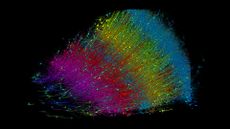 New 3D map charted with Google AI reveals 'mysterious but beautiful' slice of human brain
Harvard and Google researchers have collaborated to map a tiny fragment of an adult human brain in unprecedented detail.
neuroscience -
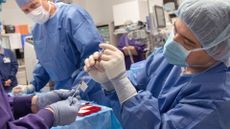 CRISPR can treat common form of inherited blindness, early data hint
In a small trial, some people with inherited vision loss experienced improvements in their sight after being treated with CRISPR.
genetics -
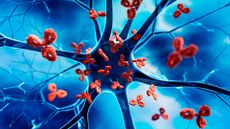 1st-of-its-kind Parkinson's treatment may slow aggressive disease, trial hints
A new antibody drug for Parkinson's disease appears to slow the progression of its movement-related symptoms, at least in some patients.
medicine-drugs -
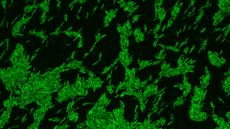 Cholesterol-gobbling gut bacteria could protect against heart disease
Certain microbes in the gut microbiome may guard against heart disease by lowering people's cholesterol.
heart-circulation -
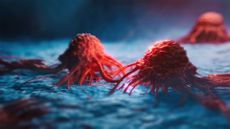 'Very concerning': Microplastics can accumulate in cancer cells and may help them spread, study hints
An early lab-dish study in cancer cells suggests microplastics can persist through cell division and may contribute to cancer spread, when they're in tumors.
cancer -
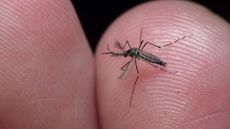 The skin microbiome could be harnessed as mosquito repellent, study hints
In a lab study, scientists demonstrated that tweaking the makeup of the skin microbiome could theoretically help repel mosquitoes.
health -
 Drug could reduce need for insulin in type 1 diabetes, early trial hints
An early trial suggests that a drug commonly used for rheumatoid arthritis could reduce type 1 diabetics' reliance on insulin, but questions remain.
medicine-drugs -
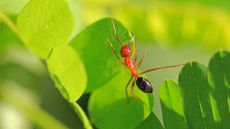 Soldier ants turned into foragers by scientists reprogramming their brains
Scientists discovered an enzyme within the ant "blood-brain barrier" that helps control whether an ant ends up a soldier or a forager.
insects


