

-
 Type 2 diabetes: Symptoms, causes and treatment
Reference Type 2 diabetes is the most common form of diabetes, a condition characterized by high blood sugar levels.
Reference -
 Type 1 diabetes: Symptoms, causes and treatment
Reference Type I diabetes occurs when the pancreas stops producing insulin. Here's a look at causes, symptoms and treatment of the disease.
Reference -
 Diabetes: Symptoms, causes and treatment
Diabetes is a metabolic disease marked by high blood glucose, also known as blood sugar.
health -
 Insulin resistance: Risk factor for heart disease and diabetes
Reference Insulin resistance is a condition where the body's cells don't properly respond to the hormone insulin, which tells cells to take in blood sugar and use it for fuel.
Reference -
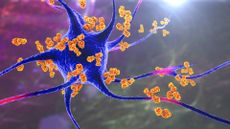 Autoimmune disease: Definition and examples
Millions of people are affected by autoimmune diseases. Learn what causes autoimmune diseases and how they're treated.
viruses-infections-disease -
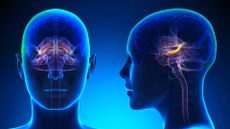 What is the hippocampus?
The hippocampus is a small region of our brain responsible for memory, learning and navigation.
neuroscience


