













Brain Scans May Unlock Candidates' Appeal
SAN DIEGO (AP) -- Applying some of the same brain-scan technology used to understand Alzheimer's and autism, scientists are trying to learn what makes a Republican's mind different from a Democrat's.
Brain scanning is moving rapidly beyond diseases to measuring how we react to religious experiences, racial prejudice, even Coke versus Pepsi. This election season, some scientists are trying to find out whether the technology can help political consultants get inside voters' heads more effectively than focus groups or polls.
Already, the scientists are predicting that brain scanning -- known as functional magnetic resonance imaging, or fMRI _ will be a campaign staple four years from now, despite ethical concerns about "neuromarketing."
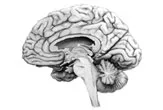
Brain scans measure blood flow. When brain cells start firing in a part of the brain that governs a particular emotion or activity, they need more oxygen, which is carried by the blood. During an fMRI, active regions of the brain can be seen lighting up on a computer monitor.
Last month, Drs. Joshua Freedman and Marco Iacoboni of the University of California at Los Angeles finished scanning the brains of 10 Republicans and 10 Democrats. Each viewed images of President Bush, John Kerry and Ralph Nader.
When viewing their favorite candidate, all showed increased activity in the region implicated in empathy. And when viewing the opposition, all had increased blood flow in the region where humans consciously assert control over emotions -- suggesting the volunteers were actively attempting to dislike the opposition.
Nonetheless, some differences appeared between the brain activity of Democrats and Republicans. Take empathy: One Democrat's brain lit up at an image of Kerry "with a profound sense of connection, like a beautiful sunset," Freedman said. Brain activity in a Republican shown an image of Bush was "more interpersonal, such as if you smiled at someone and they smiled back."
Get the world’s most fascinating discoveries delivered straight to your inbox.
And when voters were shown a Bush ad that included images of the Sept. 11 attacks, the amygdala region of the brain _ which lights up for most of us when we see snakes _ illuminated more for Democrats than Republicans. The researchers' conclusion: At a subconscious level, Republicans were apparently not as bothered by what Democrats found alarming.
"People make tons of decisions and often they don't why," Iacoboni said. "A lot of decision-making is unconscious, and brain imaging will be used in the near future to perceive and decide about politicians."
Freedman came to political brain scanning through his brother Tom, who served as a consultant to President Clinton. Tom Freedman asked his neuroscientist brother if the technology could improve on how campaigns woo voters.
"No one had done fMRI with politics," Dr. Freedman said. "So we decided to see what we could find."
The UCLA researchers said they have not been contacted by any political consultants other than Freedman's brother and a collaborator, though they expect to change after the election.
Already, some companies are dabbling in neuromarketing.
DaimlerChrysler used MRIs to gauge interest in different makes of cars. Researchers at the California Institute of Technology are scanning brains for reaction to movie trailers. Baylor University scientists just published brain scans suggesting preference for Coke or Pepsi is culturally influenced, and not just a matter of taste.
"This is a story of the corruption of medical research," warned Gary Ruskin, who runs a Portland, Ore., nonprofit organization called Commercial Alert. "It's a technology that should be used to ease human suffering, not make political propaganda more effective."