













What Is Yeast?

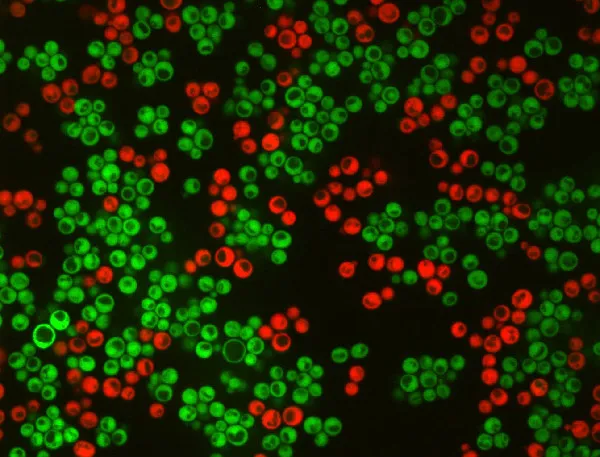
Yeasts are microscopic, single-celled organisms belonging to the fungi kingdom — the taxonomic group that also includes mushrooms and mold.
Scientists have identified around 1,500 species of yeast, organisms that make up about 1 percent of all fungal species, according to "Biodiversity and Ecophysiology of Yeasts" (Springer, 2006).
Yeasts are found throughout nature, inhabiting soil, vegetation and aquatic ecosystems. They are also commonly found on the bodies of humans and other animals.
Yeasts from the genus Candida are pathogenic, meaning they cause diseases. Candida yeast infections are known as candidiasis, and can affect numerous areas of the body, including the skin, genitals, throat, mouth and blood.
Candida albicans is the yeast species that most often causes candidiasis. This species of yeastis normally present in the body in small concentrations, but various factors — antibiotic use, hormonal imbalances, stress or a weakened immune system — can cause it to grow rapidly, resulting in an infection.
If Candida yeast gets into the bloodstream, it can spread throughout the body and cause fever, chills and even death. This infection is called invasive candidiasis, or candidemia, and is the fourth most-common bloodstream infection in the United States, according to the Centers for Disease Control and Prevention.
Several common yeasts are also beneficial and important to the food and beverage industry.
Get the world’s most fascinating discoveries delivered straight to your inbox.
Bakers use the yeast Saccharomyces cerevisiae as a leavening agent to lighten and soften baked goods. In a process called fermentation, these fungi convert the sugars present in dough into carbon dioxide gas, which forms pockets in the dough, causing it to expand. This process also produces small amounts of alcohol, but baking burns it off (and kills the yeasts).
S. cerevisiae and various other yeasts are also important for producing alcoholic beverages. For example, through fermentation, the microbes turn fruit juices into wine and turn wort (the sweet liquid produced by mashing grains) into beer.
Yeast also has industrial applications in biofuels and bioremediation (a waste management technique that relies on microorganisms).
Follow Joseph Castro on Twitter. Follow us @livescience, Facebook & Google+.
