Get the world’s most fascinating discoveries delivered straight to your inbox.
You are now subscribed
Your newsletter sign-up was successful
Want to add more newsletters?
Delivered Daily
Daily Newsletter
Sign up for the latest discoveries, groundbreaking research and fascinating breakthroughs that impact you and the wider world direct to your inbox.
Once a week
Life's Little Mysteries
Feed your curiosity with an exclusive mystery every week, solved with science and delivered direct to your inbox before it's seen anywhere else.
Once a week
How It Works
Sign up to our free science & technology newsletter for your weekly fix of fascinating articles, quick quizzes, amazing images, and more
Delivered daily
Space.com Newsletter
Breaking space news, the latest updates on rocket launches, skywatching events and more!
Once a month
Watch This Space
Sign up to our monthly entertainment newsletter to keep up with all our coverage of the latest sci-fi and space movies, tv shows, games and books.
Once a week
Night Sky This Week
Discover this week's must-see night sky events, moon phases, and stunning astrophotos. Sign up for our skywatching newsletter and explore the universe with us!
Join the club
Get full access to premium articles, exclusive features and a growing list of member rewards.
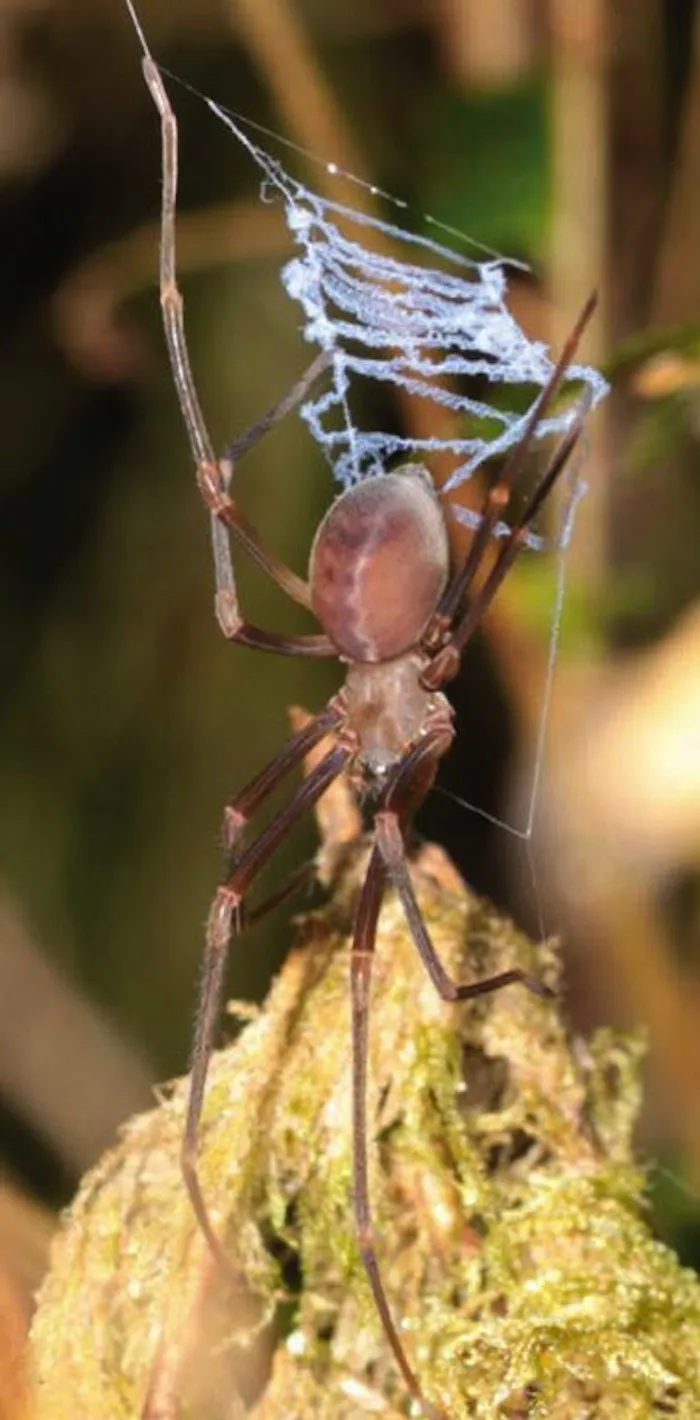
Scientists have gotten a rare glimpse of the enigmatic odd-clawed spider, which creates ladder-shaped webs in Australia's Great Otway National Park to snag unwitting prey. The eight-legged "beast," called Progradungula otwayensis, makes its home in the hollows of old myrtle trees.
After sunset, the spiders stand facing down from the odd-looking web, waiting for insects to get caught when they try to use the ladder. The spider uses a thicker, silky piece of webbing as a zip-like type connection between the external webs and the more secure tree hollow.
"On one occasion, we had access to a large hollow mountain ash tree and found catching ladders and supporting webs of juveniles inside of it," said lead study author Peter Michalik, Zoological Institute and Museum of the University of Greifswald, in a statement.
The natural history of this spider was described in September in the journal ZooKeys.
Follow us @livescience, Facebook & Google+.
Get the world’s most fascinating discoveries delivered straight to your inbox.